
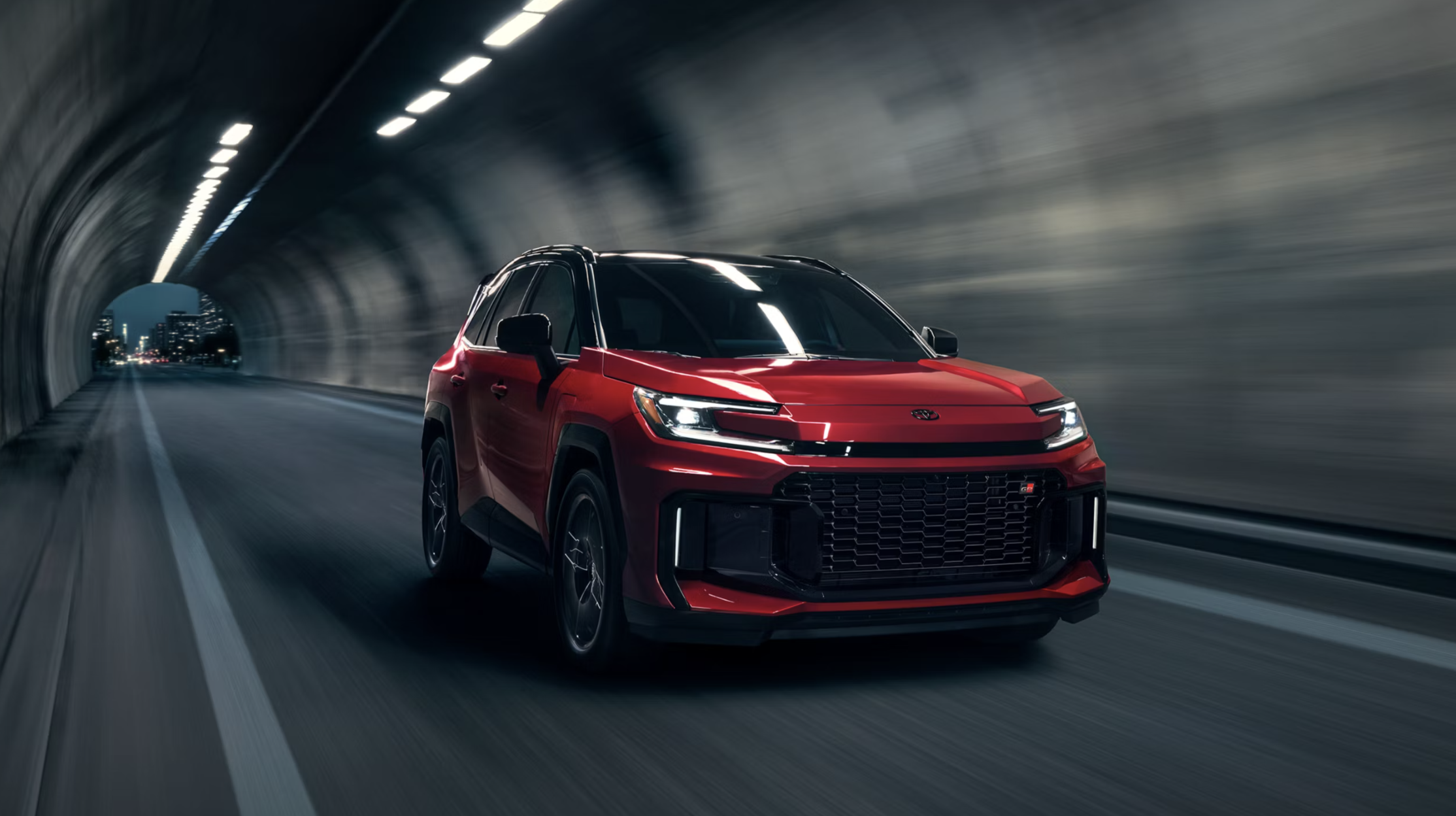
If you are shopping for the best 2026 Toyota SUV under $35,000 near Panama City, the clearest starting answer is this: the 2026 Toyota Corolla Cross is the most affordable and straightforward value choice, the 2026 Toyota RAV4 is the smartest step-up for shoppers who want more space and standard hybrid power while still starting under the $35,000 line, and the 2026 Toyota C-HR works only as a stretch-budget EV option because it starts at $37,000, not under $35,000. Toyota’s official pricing currently lists the 2026 Corolla Cross gas models starting at $24,635 and Corolla Cross Hybrid models starting at $28,995, while the all-new 2026 RAV4 starts at $31,900 and the 2026 C-HR starts at $37,000 before dealer processing and handling.
That means the real budget conversation at Panama City Toyota is not simply “Which SUV is cheapest?” It is “Which Toyota SUV gives you the best value at your specific budget level?” For a first-time crossover buyer, that difference matters. A shopper trying to stay well below $30,000 has a very different shortlist from a shopper who can stretch toward $35,000 and wants more powertrain sophistication, more passenger room, or stronger long-term comfort. Toyota’s current 2026 lineup makes that especially interesting because the RAV4 is now hybrid-only, which changes the old gas-versus-hybrid debate, and because Toyota has added more EV choices like the C-HR and the renamed bZ.
This article also fills a real content gap for Panama City Toyota. The dealership sitemap shows live research and inventory pages for the 2026 Corolla Cross, 2026 RAV4, 2026 C-HR, and 2026 bZ, but it does not show a dedicated budget-focused local guide built around the “best Toyota SUV under $35,000” question. The sitemap also confirms current 2026 Corolla Cross and 2026 RAV4 inventory in Panama City, which makes this guide timely for actual local shoppers rather than theoretical future buyers.
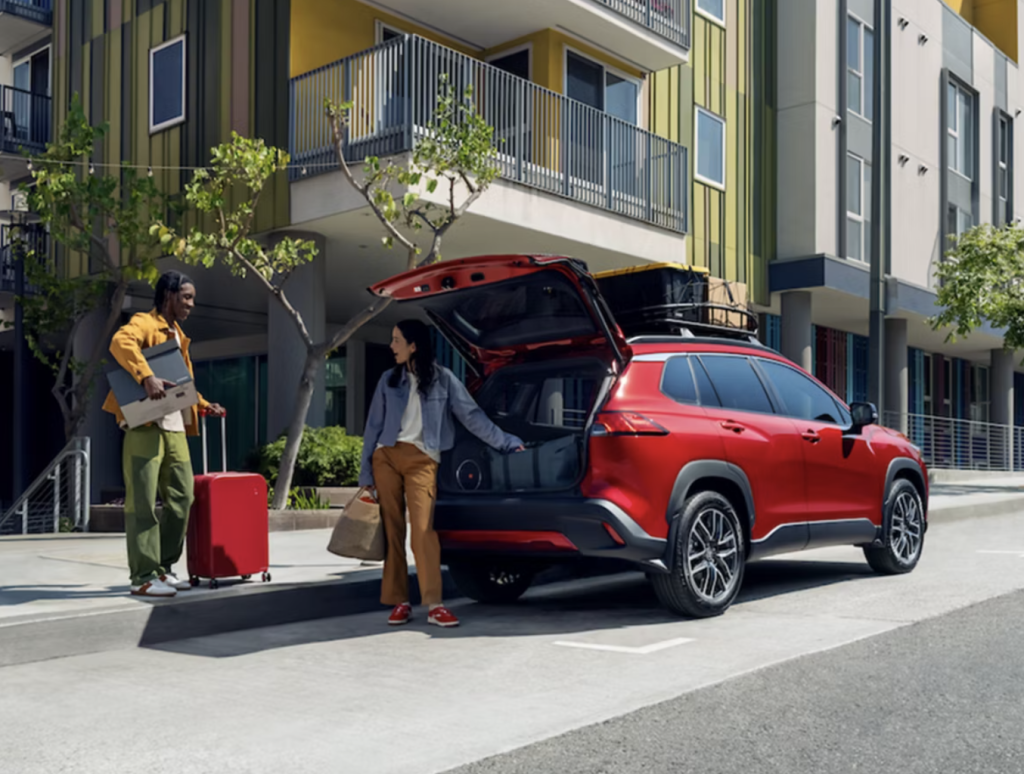
A lot of current budget SUV roundups on the web stop at a simple price ranking. They usually tell shoppers which model starts lowest, then move on. That misses the real buying questions. Current comparison coverage often talks about Corolla Cross versus RAV4 in broad terms, but it leaves out what many first-time buyers actually need help with: where the monthly-value sweet spot sits, which features are worth stretching for, and when a more expensive SUV becomes smarter because of efficiency, resale, or standard equipment. That is the missing link we want to fix here at Panama City Toyota.
Before we get into the detailed breakdown, here is the quick version we use at Panama City Toyota:
- Choose the 2026 Corolla Cross if your goal is the lowest entry price, easier city driving, and strong everyday practicality.
- Choose the 2026 RAV4 if you want more space, more power, and standard hybrid efficiency while still keeping the base price under $35,000.
- Treat the 2026 C-HR as a stretch option if you want a bold all-electric SUV and can move beyond the strict $35,000 ceiling.
Table of Contents
- 2026 Corolla Cross: The Most Affordable Toyota Crossover
1.1 Gas vs Hybrid Value Below the $35K Line
1.2 Technology, Cargo Flexibility, and Why Corolla Cross Fits First-Time Buyers
1.3 Corolla Cross Comparison Tables - 2026 RAV4: Hybrid Value That Still Starts Under $35K
2.1 Why the Hybrid-Only RAV4 Changes the Value Equation
2.2 Honorable Mention: 2026 C-HR Electric SUV Starting at $37K
2.3 Budget SUV Comparison Tables - Shop Affordable 2026 Toyota SUVs at Panama City Toyota
- Best 2026 Toyota SUVs Under $35,000 FAQs
- Visit Panama City Toyota for Your Budget SUV Test Drive
2026 Corolla Cross: The Most Affordable Toyota Crossover
Key Takeaway: The 2026 Toyota Corolla Cross is the best pure budget answer in the Toyota SUV lineup because it starts well below $35,000, offers both gas and hybrid approaches, and gives Panama City shoppers a compact crossover that stays practical without feeling stripped down.
At Panama City Toyota, the Corolla Cross is where the budget SUV conversation starts for a reason. Toyota’s official 2026 pricing says gas-powered Corolla Cross models start at $24,635, while Corolla Cross Hybrid models start at $28,995. That spread is one of the strongest value stories in Toyota’s 2026 SUV range because it gives buyers two distinct ways to stay under budget. The gas model is the low-cost entry point for shoppers who want crossover practicality without stretching. The hybrid model stays below $30,000 while adding more power and stronger efficiency, which is a rare combination in this class. For a first-time SUV buyer in Panama City, that flexibility matters because it keeps the Corolla Cross from being a one-note bargain pick.
Toyota’s 2026 Corolla Cross also benefits from a refresh that keeps it feeling current instead of merely affordable. Toyota’s newsroom says the 2026 Corolla Cross receives new front fascia designs, with a color-matched grille for hybrid models and a more rugged grille treatment for gas-powered models. Panama City Toyota’s local 2026 Corolla Cross page reinforces the same split by highlighting the gas model’s 2.0-liter engine and the general crossover’s emphasis on practical space, modern tech, and everyday comfort. That matters because budget-focused vehicles often lose buyers when they look too cheap or too outdated. The Corolla Cross does a better job than that.
This is also where Toyota-versus-Toyota comparison becomes useful before any outside-brand comparison begins. Inside the Toyota showroom, the Corolla Cross exists as the affordable bridge between smaller car ownership and fuller SUV practicality. It is easier to buy than a RAV4 from a price perspective, easier to park than larger SUVs, and easier to justify for buyers who need a crossover more than they need extra power or maximum cabin room. That internal role is part of why it deserves to anchor an under-$35,000 guide. At Panama City Toyota, we view it as the most rational answer for shoppers who want their money to go as far as possible without giving up the SUV format.
Gas vs Hybrid Value Below the $35K Line
The biggest strategic advantage of the Corolla Cross is that it gives buyers two different value philosophies without forcing them out of budget territory. Toyota says gas-powered Corolla Cross models start at $24,635 and use a 2.0-liter engine making 169 horsepower, while Corolla Cross Hybrid models start at $28,995 and use Toyota’s fifth-generation hybrid system with 196 net combined horsepower and 42 combined MPG for all hybrid grades, with AWD standard on the hybrid. That means the hybrid is not simply an MPG upgrade. It is also the more powerful version of the vehicle. For Panama City Toyota shoppers, that creates a smart decision point: buy the gas model for the lowest acquisition cost, or step into the hybrid for a more complete mix of efficiency, traction, and performance while still staying under $30,000.
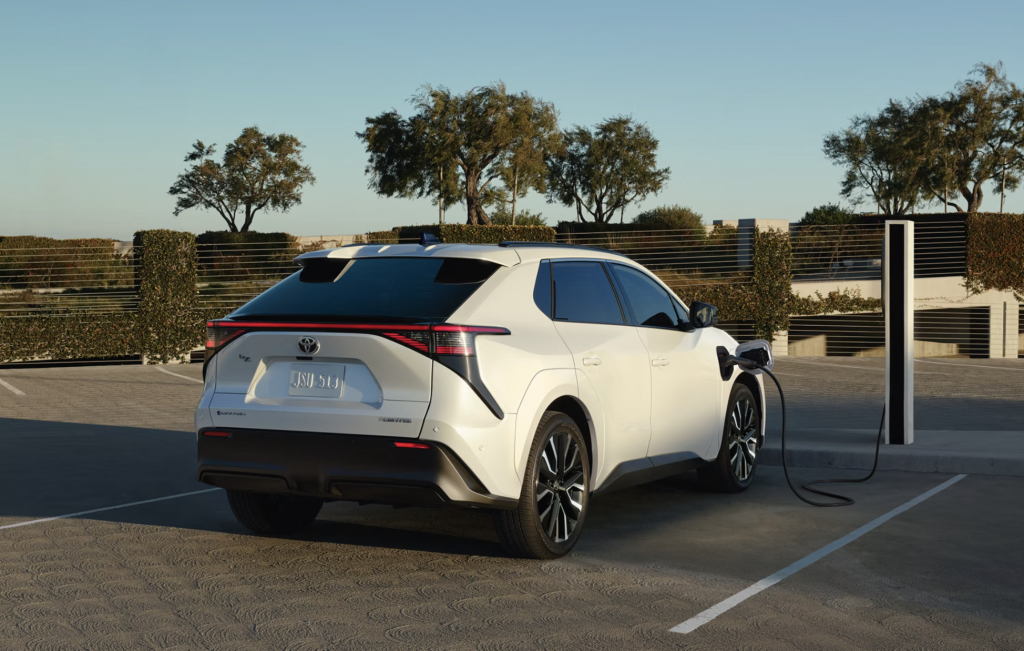
That difference matters more than many shoppers expect. In a lot of budget SUV articles, the Corolla Cross gets reduced to “the cheaper Toyota SUV.” That is only half true. Yes, the gas model is the cheapest 2026 Toyota SUV of the group we are discussing, but the hybrid model may actually be the stronger long-term value for many Panama City buyers because it combines more power, standard all-wheel-drive capability, and stronger efficiency without moving anywhere near the $35,000 ceiling. This is one of the article’s main “forgotten spec” points, and it is exactly the kind of detail many surface-level ranking pieces skip.
There is also a local ownership angle here. A Panama City buyer who drives a lot around town, makes frequent errands, or wants predictable monthly fuel spend may see more benefit in the Corolla Cross Hybrid than in the cheapest gas grade. A buyer who simply wants the lowest possible entry cost into a Toyota SUV and expects modest annual mileage may be perfectly served by the gas version. At Panama City Toyota, that is why we do not treat “under $35,000” as one answer. We treat it as tiers. Under $25,000 points toward gas Corolla Cross. Under $30,000 keeps Corolla Cross gas and hybrid both in play. Closer to $35,000 opens the door to the base RAV4 as well.
Technology, Cargo Flexibility, and Why Corolla Cross Fits First-Time Buyers
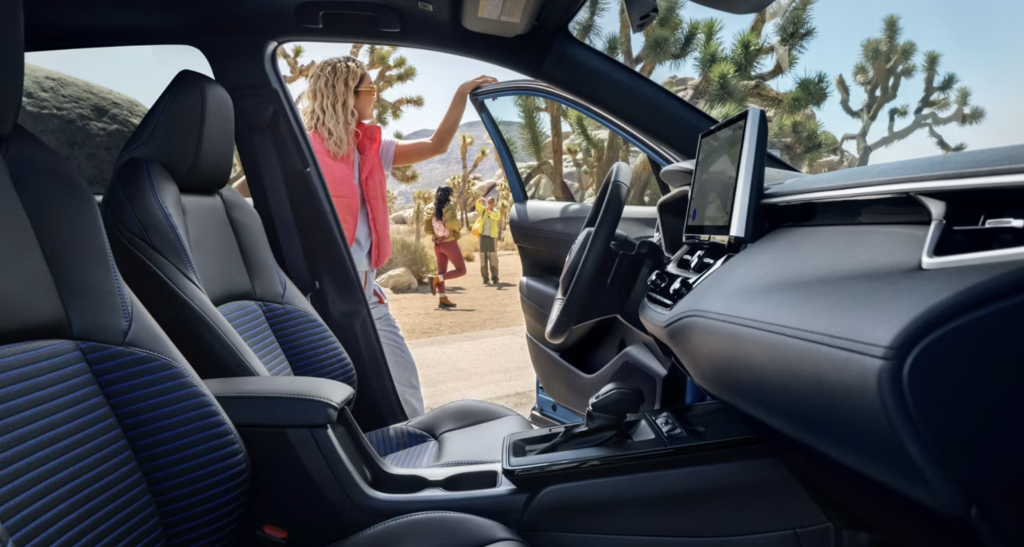
Budget-friendly does not mean bare-bones, and that is another reason the Corolla Cross works so well as a first-time buyer SUV. Toyota’s crossover overview says the 2026 Corolla Cross offers up to 24 cubic feet of cargo space and up to 32 combined MPG on gas versions, while the official model site highlights adaptable 60/40 rear seats, available heated features, rear-seat vents, and larger available digital displays. Panama City Toyota’s own 2026 Corolla Cross page also points to smartphone connectivity and a comfortable cabin built around daily ease of use. Those are the right strengths for a first crossover. This SUV is not trying to be flashy first. It is trying to make ownership feel easy.
For first-time buyers, that matters a lot. The smartest starter SUV is usually the one that feels easy to live with, not the one that looks best in a single promo image. Corolla Cross makes sense because it delivers the raised seating position, hatch-style practicality, cargo flexibility, and Toyota familiarity that many sedan owners want when they move into their first SUV. It also avoids the problem some larger compact SUVs create, where the price starts climbing fast once you move into the trims that actually feel desirable. Corolla Cross keeps the core value story intact even as you move upward.
There is another underexposed value point here. In many outside-brand comparisons, the Corolla Cross gets treated as the smaller, simpler Toyota choice and then overlooked in favor of more fashionable compact SUVs. That misses what makes it valuable in Panama City. It is compact enough to feel manageable for newer SUV owners, priced well enough to fit real-world budgets, and broad enough in gas-versus-hybrid strategy that buyers can still tailor the purchase to their priorities. At Panama City Toyota, that combination makes it one of the easiest 2026 SUVs to recommend with confidence for practical buyers.
Corolla Cross Comparison Tables
| Corolla Cross Factor | 2026 Gas Model | 2026 Hybrid Model |
| Starting MSRP | $24,635 | $28,995 |
| Powertrain | 2.0L gas engine | 5th-generation Toyota hybrid system |
| Horsepower | 169 hp | 196 net combined hp |
| Drivetrain note | Gas lineup configuration varies by trim | AWD standard on hybrid |
| Efficiency highlight | Up to 32 combined MPG | 42 combined MPG |
| Best fit | Lowest-price SUV buyer | Budget buyer who wants stronger efficiency and performance |
Corolla Cross pricing and powertrain table sources: Toyota newsroom and Toyota official crossover materials.
| Buyer Question | Better Corolla Cross Answer | Why |
| I need the lowest entry price possible | Gas Corolla Cross | It starts in the mid-$24,000 range and keeps the SUV move affordable. |
| I want the smartest long-term value under $30K | Corolla Cross Hybrid | It adds power, AWD, and strong efficiency without leaving budget territory. |
| I am buying my first SUV and want easy city driving | Either, with gas as the simplest value play | The size stays manageable and the ownership pitch stays straightforward. |
| I care about monthly fuel spend and want more all-weather confidence | Corolla Cross Hybrid | Standard AWD and 42 combined MPG make a strong real-world case. |
Buyer-fit table sources: Toyota official pricing and product specs.
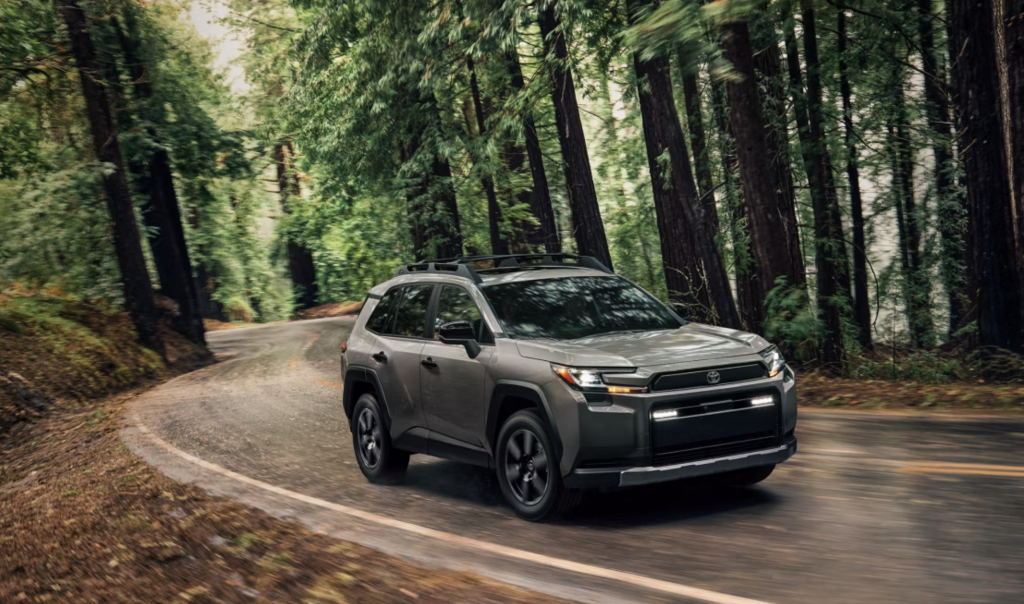
2026 RAV4: Hybrid Value That Still Starts Under $35K
Key Takeaway: The 2026 Toyota RAV4 is the step-up budget choice because it starts under $35,000, gives buyers standard hybrid power, and feels more substantial than Corolla Cross in space, output, and long-term versatility.
The 2026 RAV4 changes this whole conversation because Toyota no longer asks buyers whether they want the hybrid upgrade. The official Toyota site says the all-new 2026 RAV4 is now hybrid only, and Toyota’s pricing lists a starting MSRP of $31,900. Toyota’s earlier 2026 RAV4 rollout also says FWD hybrid versions make 226 net combined horsepower, AWD hybrid versions make 236 net combined horsepower, and fuel economy reaches up to a manufacturer-estimated 44 MPG combined on FWD hybrid trims. In other words, the base RAV4 now arrives with more power and better efficiency than many buyers used to expect from the “entry” version of a mainstream compact SUV.
That is what makes the RAV4 so important in an under-$35,000 article. On pure sticker price, it is more expensive than the Corolla Cross. But on value logic, it is a much closer fight because Toyota has moved the RAV4’s standard powertrain upward. A Panama City Toyota buyer is no longer comparing a cheap Corolla Cross to a gas RAV4 that might require extra spending to get the “good” version. They are comparing an affordable smaller crossover to a larger, more powerful, more advanced hybrid-only RAV4 that still opens below the $35,000 threshold. That is one of the biggest shifts in Toyota’s 2026 SUV lineup, and it is something many older budget-shopping assumptions do not account for yet.
Current comparison coverage often notices that RAV4 now comes only as a hybrid, but many articles still frame it mostly as a price increase story. We think that misses the smarter interpretation. At Panama City Toyota, the better reading is that Toyota has changed the value baseline. Buyers shopping a base RAV4 are getting hybrid efficiency and stronger output as part of the default package, not as a paid detour from the base model. That makes the entry RAV4 more expensive than the cheapest Corolla Cross, but also makes it easier to justify for buyers who were going to want hybrid power anyway.
Why the Hybrid-Only RAV4 Changes the Value Equation
The RAV4’s hybrid-only status is not just a product note. It changes how Panama City Toyota recommends the SUV. In older years, a buyer could treat RAV4 as a straightforward gas compact SUV and then decide whether the hybrid premium was worth paying. In 2026, that debate is gone at the starting line. The RAV4 begins with hybrid efficiency, more output, and Toyota’s redesigned sixth-generation packaging and styling. Toyota’s 2026 RAV4 overview emphasizes its new Core, Rugged, and Sport styles, the hybrid-only strategy, and available FWD or AWD depending on grade. That means budget-focused buyers are shopping trim value and lifestyle fit, not debating whether electrification is worth it at all.
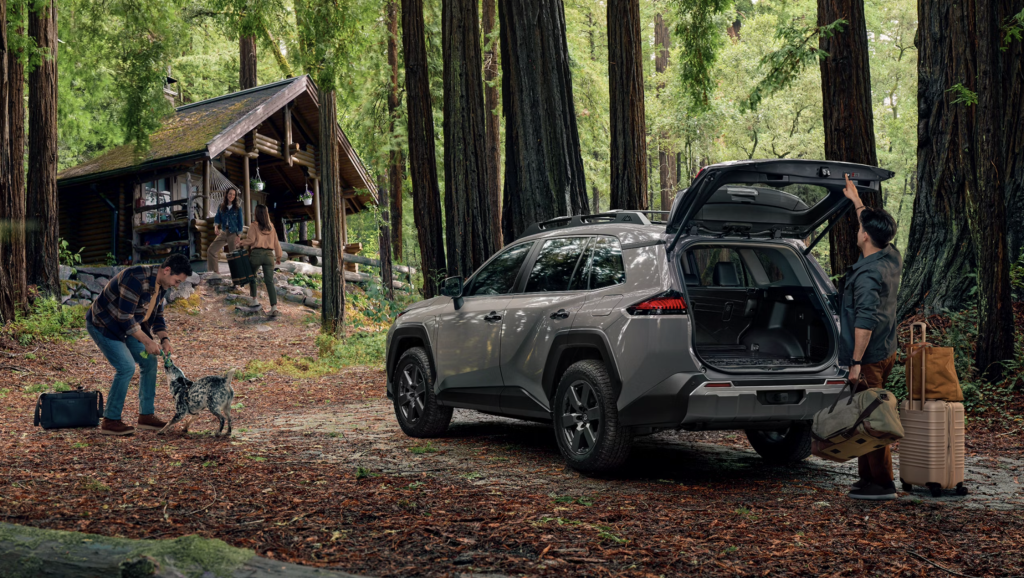
That makes the RAV4 especially compelling for Panama City shoppers who can spend more than Corolla Cross money but still want to stay under $35,000. For those buyers, the RAV4 often feels like the more future-proof purchase. You get a larger compact SUV with a stronger powertrain baseline, higher power output than Corolla Cross, and the broad mainstream appeal that keeps RAV4 central in Toyota’s U.S. lineup. It is also a more natural fit for buyers who expect to keep the vehicle for years, road-trip with it, or move through life stages where extra room and extra performance become more important over time.
There is also a subtle but important budget insight here. Shoppers often assume “best under $35,000” means “lowest sticker price wins.” That is not always true. For some buyers, the RAV4 may be the better budget move precisely because it comes standard with what many owners eventually wish they had chosen anyway: hybrid efficiency, stronger output, and a roomier compact-SUV footprint. If a buyer would have stepped up from a basic Corolla Cross gas model within a year or two, or if they are already leaning toward more highway travel and broader family use, starting with the RAV4 can be the smarter decision. That is one of the main contrarian points many price-first articles do not explain well enough.
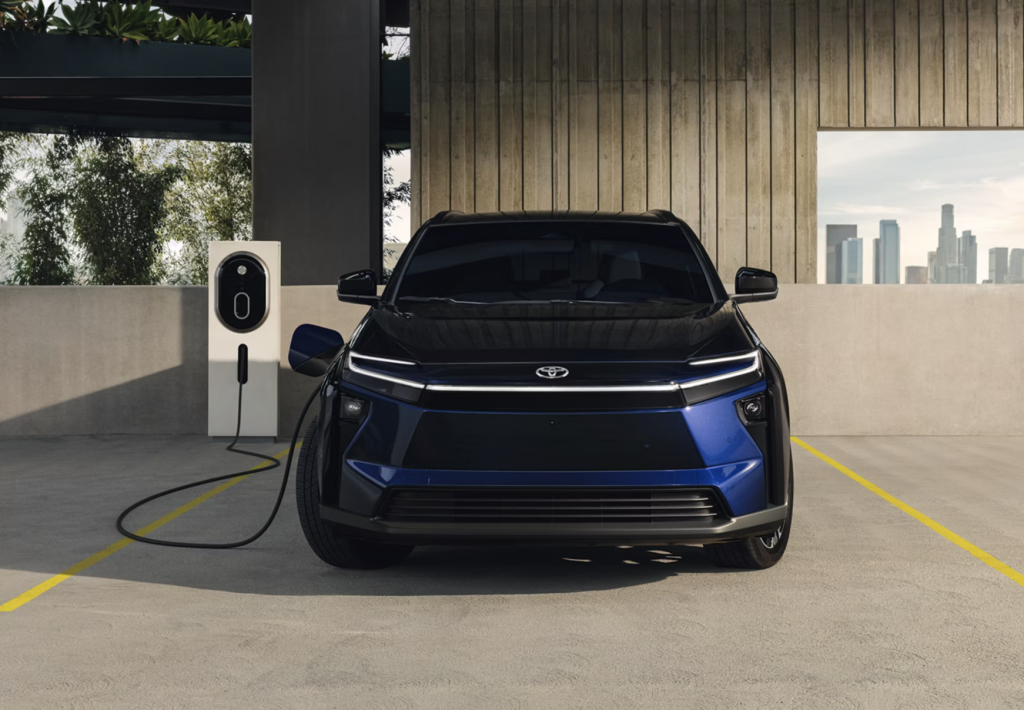
Honorable Mention: 2026 C-HR Electric SUV Starting at $37K
The 2026 Toyota C-HR does not technically qualify as an SUV under $35,000, and we want to be direct about that. Toyota’s official pricing says the all-new 2026 C-HR starts at $37,000 before dealer processing and handling. That means it belongs in this guide only as a stretch-budget honorable mention, not as a strict answer to the keyword. Still, it deserves a place because it gives Panama City Toyota shoppers a sense of what sits just above the budget ceiling if they want a more aggressive all-electric SUV shape and are willing to move beyond the hard cap.
What makes the C-HR interesting is how different it is from the other two SUVs in this article. Toyota says the C-HR is all-electric, standard AWD, makes 338 combined system horsepower, reaches 0 to 60 mph in 4.9 seconds, and delivers an EPA-estimated 287-mile range on the SE trim. Toyota also says it offers up to 25.3 cubic feet of rear cargo space behind the rear seats. Those are not “budget crossover” numbers. They are much closer to an enthusiast-leaning compact EV pitch with dramatic styling and much stronger acceleration than the Corolla Cross or RAV4 are trying to deliver.
That creates an important value lesson. Stretching above a budget line should mean you are getting a different ownership experience, not just paying more for slightly nicer trim. The C-HR fits that test. It is not simply a pricier Corolla Cross or a dressed-up RAV4. It is a very different product with EV packaging, stronger performance, standard AWD, and a more emotional design pitch. At Panama City Toyota, we would place it in the conversation for buyers who start shopping under $35,000 but then realize they want something more distinctive and are open to an all-electric path. For strict budget buyers, it is outside the core target. For aspirational shoppers, it is the next rung up.
There is one more “missing link” worth noting here. Many under-$35,000 Toyota SUV discussions will naturally land on Corolla Cross and RAV4, then jump to C-HR as the EV stretch. But Toyota’s 2026 lineup also includes the bZ, which starts at $34,900 and therefore actually stays inside the strict under-$35,000 window. At Panama City Toyota, that makes the bZ an overlooked wildcard for buyers who want a true under-$35,000 all-electric Toyota SUV but do not need the C-HR’s sportier identity. We are keeping the main spotlight on Corolla Cross, RAV4, and C-HR because that is where most local shopping patterns point, but the bZ is an important budget-EV footnote many broad articles leave out.
Budget SUV Comparison Tables
| Model | Starting MSRP | Powertrain Strategy | Output / Efficiency Highlight | Budget Verdict |
| 2026 Corolla Cross Gas | $24,635 | Gas compact crossover | 169 hp; up to 32 combined MPG | Best lowest-price Toyota SUV |
| 2026 Corolla Cross Hybrid | $28,995 | Hybrid compact crossover | 196 net combined hp; 42 combined MPG; AWD standard | Best under-$30K smart buy |
| 2026 RAV4 | $31,900 | Hybrid-only compact SUV | 226 hp FWD or 236 hp AWD; up to 44 MPG combined | Best step-up SUV under $35K |
| 2026 bZ | $34,900 | All-electric SUV | EV pricing under the cap | Overlooked under-$35K EV wildcard |
| 2026 C-HR | $37,000 | All-electric sporty compact SUV | 338 hp; 287-mile range; AWD standard | Stretch-budget honorable mention |
Budget SUV table sources: Toyota pricing and official model announcements.
| Shopping Priority | Best Toyota Answer | Why |
| Lowest possible SUV price | Corolla Cross Gas | It starts in the mid-$24,000 range and keeps crossover ownership accessible. |
| Best overall value below $30K | Corolla Cross Hybrid | It adds 196 hp, AWD, and 42 MPG combined without leaving entry-budget territory. |
| Best mainstream SUV under $35K | RAV4 | It gives you more room and standard hybrid power while still opening below the ceiling. |
| Best all-electric value under $35K | bZ | It quietly fits under the price cap while giving Toyota EV shoppers a true in-budget option. |
| Most exciting EV stretch pick | C-HR | It is above the cap, but its 338 hp and 287-mile range make the extra spend meaningful. |
Buyer-priority table sources: Toyota official pricing, Toyota official model pages, and Toyota newsroom materials.
| Panama City Buyer Type | Corolla Cross | RAV4 | C-HR |
| First-time crossover buyer | Excellent | Very good if budget allows | Too expensive for strict budget |
| Small family value shopper | Very good | Excellent | Niche fit |
| Commute and errands | Excellent | Excellent | Good if EV lifestyle fits |
| Long-term all-around ownership | Good | Excellent | Good for EV-focused buyer |
| Strict under-$35K shopper | Yes | Yes, base model | No |
Local-fit table sources: Toyota official pricing and Panama City Toyota inventory / research presence.
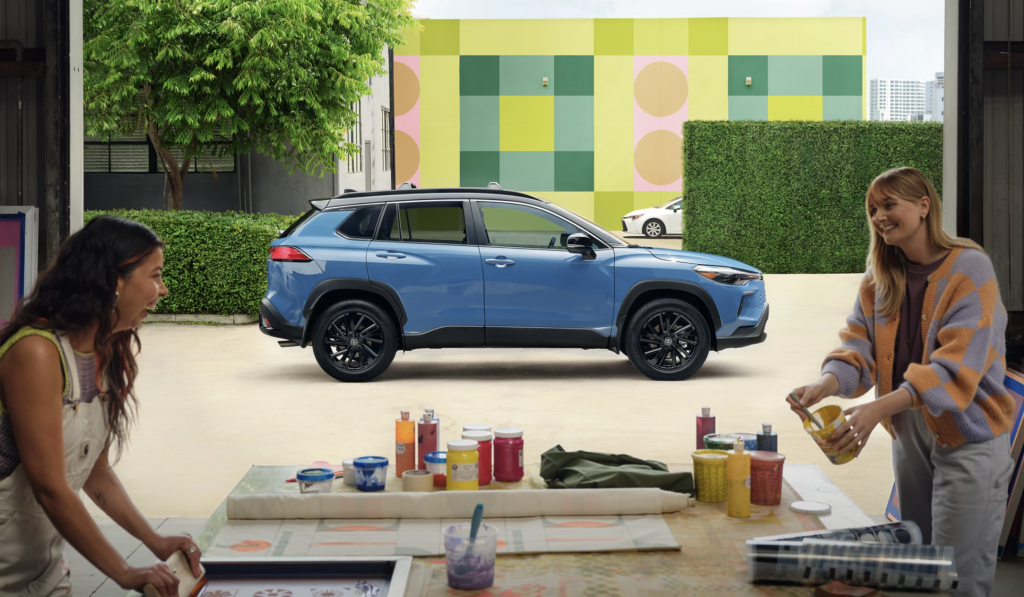
Shop Affordable 2026 Toyota SUVs at Panama City Toyota
Key Takeaway: Panama City Toyota gives local buyers a better way to shop affordable SUVs by letting them compare current 2026 Corolla Cross, RAV4, and EV options against real inventory, finance tools, and ownership support in one place.
Panama City Toyota’s sitemap and inventory pages make this a genuinely local shopping conversation. The dealership’s sitemap shows live research or inventory pathways for the 2026 Corolla Cross, 2026 RAV4, 2026 C-HR, and 2026 bZ, and it also shows direct links for New Vehicles, Shop by Payment, Trade Appraisal, Apply for Financing, Payment Calculator, EV & Hybrid Specials, Service Appointment, ToyotaCare, Hours & Directions, Contact Us, and About Us. That matters because a budget SUV purchase is not only about MSRP. It is also about how easily the shopper can compare trims, estimate payments, value a trade, and understand ownership support after the sale.
At Panama City Toyota, we recommend making this decision in layers. First, decide whether your true budget ceiling is under $25,000, under $30,000, or under $35,000. Second, decide whether you want the lowest payment, the strongest long-term value, or the most complete SUV for the money. Third, decide whether your life points toward gas simplicity, hybrid efficiency, or an EV stretch. Toyota’s 2026 lineup is wide enough that all three of those questions change the answer meaningfully. That is why a good local dealership conversation helps more than a generic national list.
If you want to compare affordable 2026 Toyota SUVs the right way, visit Panama City Toyota and use the store’s local tools before and during your shopping process. Our website lets you search current new Toyota inventory, work through payment estimates, review current specials, and apply for financing before you arrive, which helps you focus on the SUVs that fit both your price range and your real-life needs. Our dealership at 959 West 15th Street in Panama City also gives you the chance to compare entry-level and step-up options side by side, which is especially useful when the real question is not simply “Can I afford it?” but “Which one will still feel right six months from now?” Seeing the size difference between Corolla Cross and RAV4, and understanding where a vehicle like C-HR or bZ fits into the budget conversation, becomes much easier in person. That is why we treat this as a hands-on comparison, not just an online checklist.
If you already know you want a Toyota SUV but have not settled on the right one, Panama City Toyota’s website is one of the best places to narrow the field before your visit. You can browse current Corolla Cross and RAV4 inventory, review manufacturer specials, check EV and hybrid offers, and connect with our team while also seeing the service and ToyotaCare resources that matter after the sale. That is important for budget buyers because a smart purchase is not only about keeping the MSRP manageable. It is also about understanding ongoing ownership support, maintenance access, financing structure, and whether the dealership makes the whole process feel simple. Our Certified Service Technicians at Panama City Toyota and our local finance tools are part of that confidence equation. A budget-friendly SUV should not feel like a compromise if the buying path and ownership support are handled the right way.
Here are the three questions we suggest every Panama City budget SUV shopper answer first:
- How strict is the budget line? Under $25K points hard toward Corolla Cross gas; under $30K opens Corolla Cross Hybrid; under $35K brings RAV4 into play.
- Do you want the lowest sticker price or the strongest all-around value? Those are not always the same answer.
- Would an EV stretch actually improve the ownership experience enough to justify spending more? That is the real C-HR question.
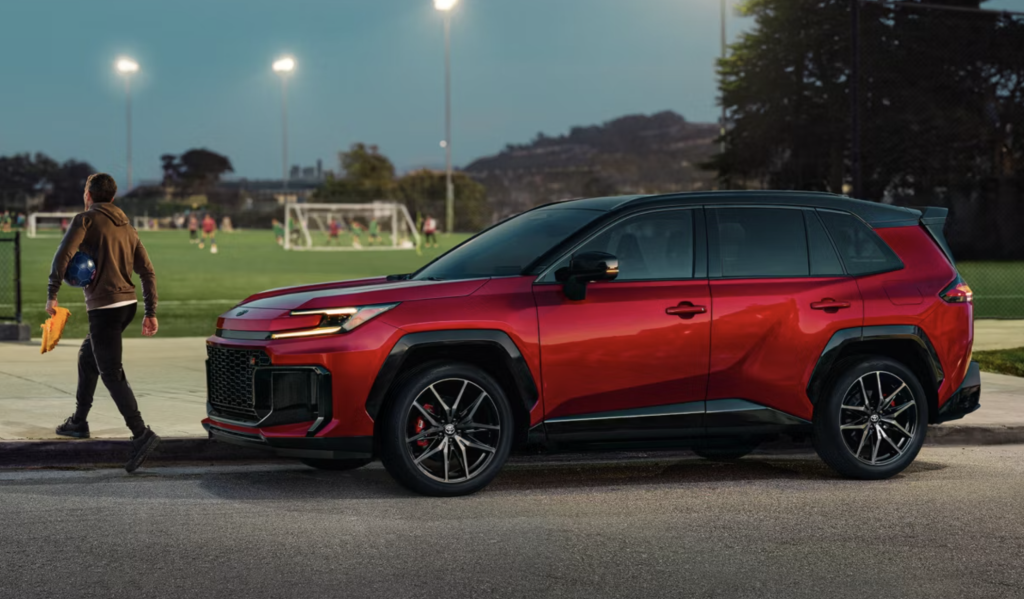
Best 2026 Toyota SUVs Under $35,000 FAQs
Key Takeaway: Most Panama City shoppers asking about Toyota SUVs under $35,000 are really trying to sort the smartest value choice, not just the cheapest sticker.
What is the cheapest 2026 Toyota SUV near Panama City, FL?
The cheapest 2026 Toyota SUV in this guide is the gas-powered Corolla Cross, which Toyota lists with a starting MSRP of $24,635 before dealer processing and handling. That makes it the clearest answer for buyers who want a true Toyota SUV at the lowest possible entry price. At Panama City Toyota, we usually recommend it to first-time crossover shoppers, buyers moving up from a sedan, and anyone who wants practical SUV versatility without stretching toward the upper end of the budget range. It is the most affordable answer, but not always the strongest value for every shopper.
Is the 2026 Toyota RAV4 really under $35,000?
Yes. Toyota’s official pricing currently lists the 2026 RAV4 with a starting MSRP of $31,900, which keeps the base model under the $35,000 threshold. What makes that especially interesting is that the 2026 RAV4 is now hybrid only, so buyers are not starting with a basic gas version and paying extra to move into electrified efficiency. At Panama City Toyota, that makes the RAV4 one of the smartest step-up choices for budget-conscious shoppers who want more room, more power, and stronger fuel economy without pushing into a much higher monthly commitment.
Should I choose the Corolla Cross or stretch to the RAV4?
That depends on what “budget” means for your household. If your priority is the lowest acquisition cost, easier parking, and a practical everyday crossover, Corolla Cross is the smarter answer. If your budget can move into the low-$30,000 range and you want a roomier compact SUV with standard hybrid efficiency and stronger output, the RAV4 often becomes the better long-term buy. At Panama City Toyota, we usually frame Corolla Cross as the entry-value play and RAV4 as the best all-around upgrade for buyers who want more SUV without leaving the under-$35,000 conversation.
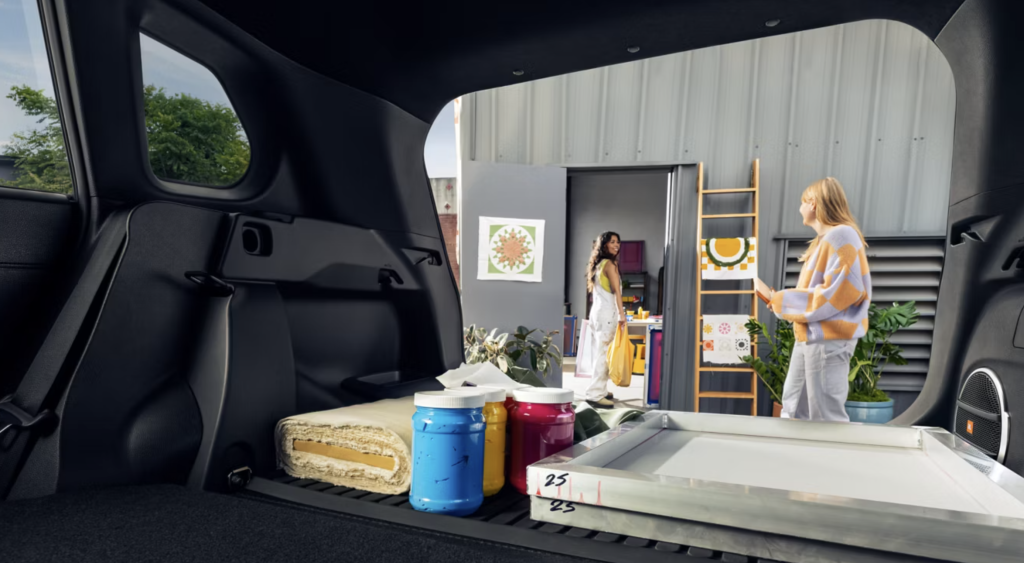
Visit Panama City Toyota for Your Budget SUV Test Drive
The best 2026 Toyota SUV under $35,000 depends on how you define value. The Corolla Cross is the most affordable gateway into Toyota SUV ownership, the Corolla Cross Hybrid is a strong under-$30,000 smart buy, and the RAV4 is the best step-up option for Panama City drivers who want more room and standard hybrid power while staying under the cap. The C-HR belongs in the conversation only as a stretch-budget EV, and the bZ is the overlooked in-budget electric wildcard. At Panama City Toyota, we can help you compare all of those choices against your real budget, your monthly-payment goals, and your daily routine. Visit us at 959 West 15th Street, Panama City, FL 32401, browse current inventory on our website, and let our team help you test drive the Toyota SUV that gives you the best value for your money.
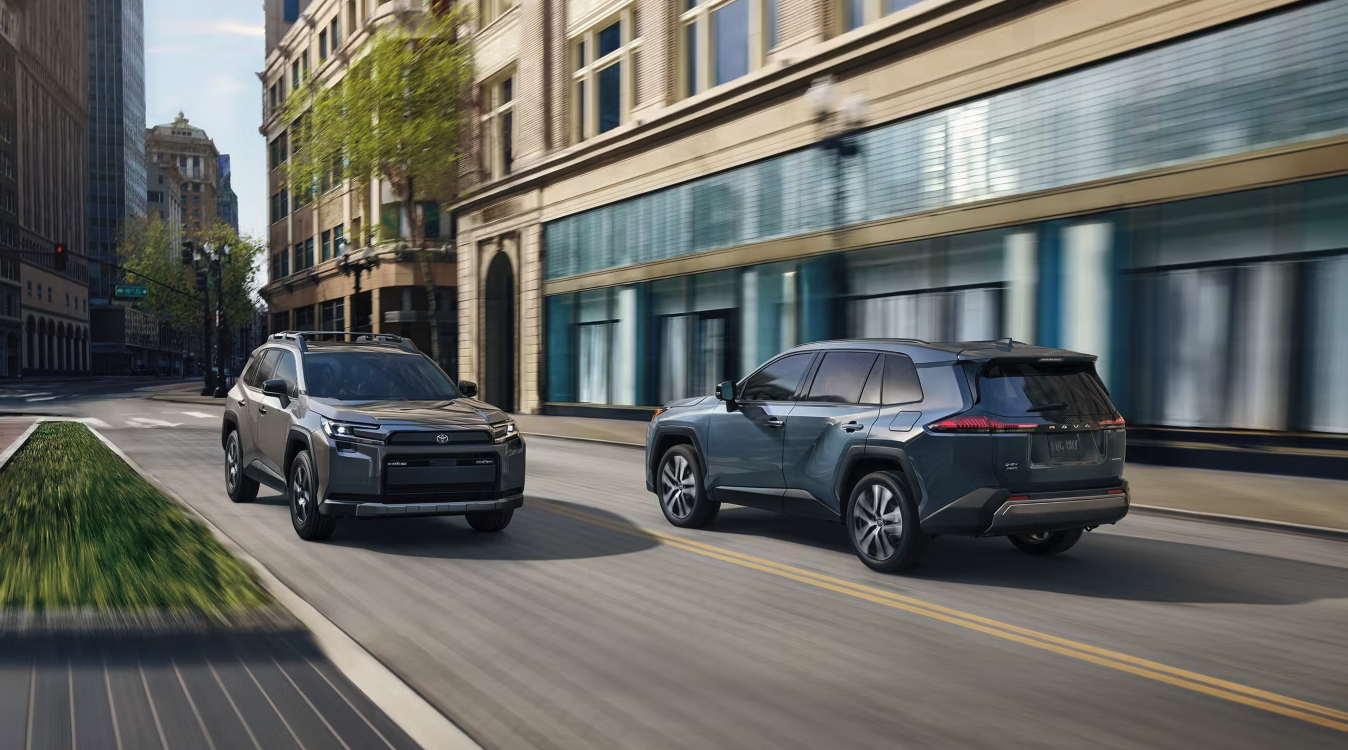
If you want one clear answer about the 2026 Toyota hybrid lineup in Panama City, here it is: Toyota now offers one of the broadest electrified portfolios on the market, with efficient compact cars like the Corolla Hybrid and Camry, high-demand SUVs like the now hybrid-only 2026 RAV4, family-focused choices like the Highlander Hybrid and Grand Highlander Hybrid, and torque-rich body-on-frame models such as the 4Runner i-FORCE MAX, Land Cruiser, Sequoia, and Tundra i-FORCE MAX.
At Panama City Toyota, that matters because local shoppers are not all trying to solve the same problem. Some want the best commuter MPG. Some want a roomy hybrid SUV for family life. Some want hybrid torque for towing, beach gear, or long Gulf Coast road trips. Toyota now covers all of those needs in a way very few brands do.
For Panama City shoppers, the fastest way to narrow the 2026 Toyota hybrid lineup is to start with the job you need the vehicle to do:
- Choose a compact hybrid car if your priority is fuel savings, lower monthly cost, and easier commuting around town.
- Choose a hybrid SUV if you want higher seating, cargo flexibility, family comfort, and strong efficiency without moving into a truck.
- Choose a full-size or truck-based hybrid Toyota if your life includes towing, outdoor gear, rougher roads, or heavy-duty torque needs.
Table of Contents
- Compact Hybrids: 2026 Corolla Hybrid and Camry
1.1 2026 Corolla Hybrid: The Efficiency-First Commuter Choice
1.2 2026 Camry: The All-Hybrid Midsize Sedan for Everyday Balance
1.3 Prius and Crown: The Two Overlooked Hybrid Value Stories - Compact Hybrid Comparison Table
- Hybrid SUVs: RAV4, Highlander, and Grand Highlander
2.1 2026 RAV4: Why Hybrid-Only Changes the Shopping Conversation
2.2 Highlander Hybrid and Grand Highlander Hybrid for Growing Families
2.3 Full-Size Hybrid Power: Tundra, Sequoia, Land Cruiser, and 4Runner - Hybrid SUV and Capability Comparison Tables
- Shop 2026 Toyota Hybrids at Panama City Toyota
3.1 How Panama City Drivers Should Choose the Right Hybrid - 2026 Toyota Hybrid Lineup FAQs
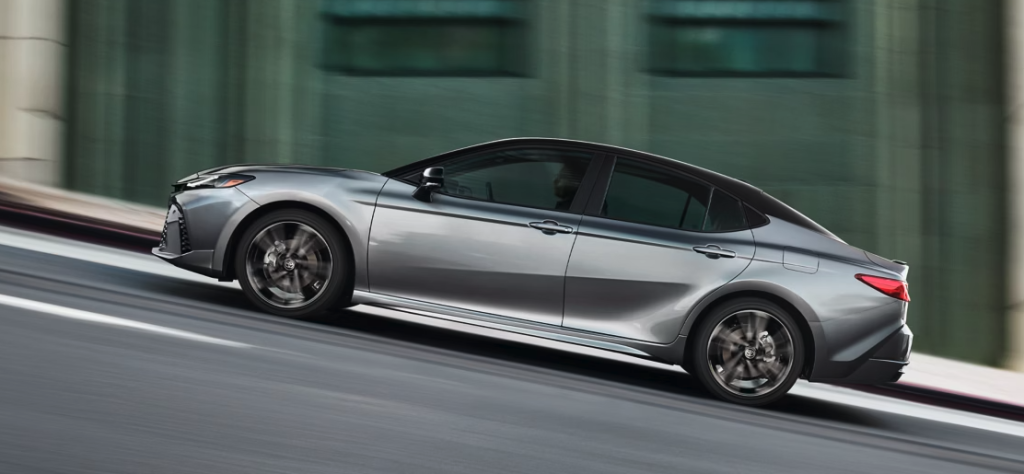
Compact Hybrids: 2026 Corolla Hybrid and Camry
Key Takeaway: For Panama City drivers focused on everyday fuel savings, the 2026 Corolla Hybrid is the pure efficiency play, while the 2026 Camry delivers a more mature, more powerful, and now fully hybrid midsize experience.
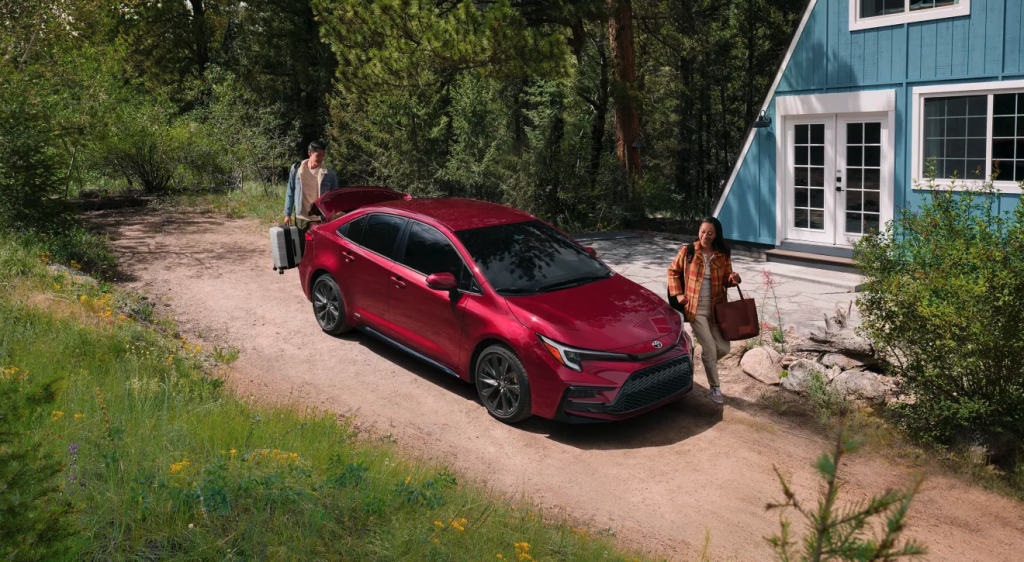
At Panama City Toyota, the compact hybrid conversation usually starts with a simple question: do you want the lightest, lowest-cost path into Toyota hybrid ownership, or do you want a roomier sedan that blends efficiency with stronger performance and extra refinement? That is the real split between the 2026 Corolla Hybrid and the 2026 Camry. Toyota’s official materials position the Corolla Hybrid as the smaller, more affordable efficiency specialist, while the Camry has completed its shift into an all-hybrid lineup with available Electronic On-Demand AWD and up to 51 combined MPG. For a local buyer, that makes the Corolla Hybrid the logical entry point and the Camry the more complete all-around daily driver.
2026 Corolla Hybrid: The Efficiency-First Commuter Choice
Toyota’s 2026 Corolla Hybrid remains one of the cleanest answers for drivers who want hybrid ownership without moving into a larger or more expensive vehicle. Toyota’s official newsroom says the 2026 Corolla Hybrid uses a 1.8-liter 4-cylinder engine and a hybrid system that produces 138 net combined horsepower, and it carries a manufacturer-estimated fuel economy rating of up to 53 city, 46 highway, and 50 combined MPG. For Panama City commuters, that is the kind of efficiency that makes sense for repeated work trips, everyday errands, school runs, and any routine where lower fuel spend matters as much as simple reliability.
The Corolla Hybrid also stands out because it does not ask buyers to surrender flexibility in exchange for efficiency. Toyota says it is available in multiple grades and includes both front-wheel-drive and all-wheel-drive variants in the lineup. That is significant because it keeps the Corolla Hybrid from feeling like a one-trim economy special. At Panama City Toyota, that means a shopper can treat it as a serious first-time hybrid, a practical second household vehicle, or a long-term commuter choice without feeling boxed into one narrow configuration. Panama City Toyota’s live inventory listing for a 2026 Corolla Hybrid LE also confirms local model availability in Panama City, which matters for buyers who want to move from research to a real test drive quickly.
What makes the Corolla Hybrid especially relevant in the 2026 lineup is not just the MPG figure. It is the role it plays in Toyota’s broader portfolio. When a buyer wants the lowest-cost way into the Toyota hybrid experience, many rival brands can offer a compact hybrid sedan or hatchback, but Toyota has an advantage because the Corolla Hybrid sits inside a much wider electrified family. That makes it easier for Panama City Toyota shoppers to compare upward into a Camry, RAV4, or Prius without leaving the brand. The Corolla Hybrid is the starting point that introduces buyers to Toyota’s hybrid feel, regenerative behavior, and efficiency benefits while keeping the ownership learning curve simple.
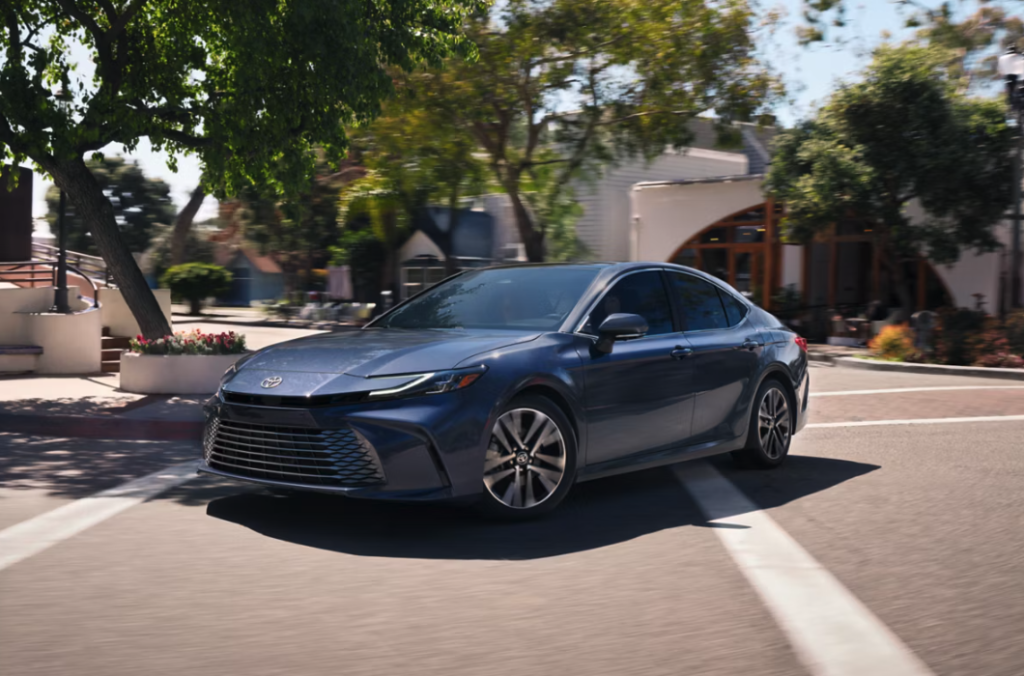
2026 Camry: The All-Hybrid Midsize Sedan for Everyday Balance
The 2026 Camry is one of the biggest strategic stories in Toyota’s hybrid lineup because it is no longer “the sedan with a hybrid option.” Toyota’s official Camry page makes clear that the current Camry is built around an all-hybrid powertrain, and Panama City Toyota’s own Camry page repeats the same point for local shoppers. Toyota also says the 2026 Camry offers up to 51 combined MPG, available Electronic On-Demand AWD, and up to 232 net combined horsepower depending on configuration. The result is a sedan that feels more mainstream than the Corolla Hybrid, more substantial in everyday driving, and much better suited for buyers who want hybrid efficiency without stepping down in size or feature content.
Price is part of the Camry’s appeal too. Toyota’s official Camry page lists a starting MSRP of $29,100, which gives Panama City Toyota a strong value story for buyers who want to move into a midsize hybrid sedan without pushing into premium-brand pricing. That is one of the most useful differences between the Camry and many rival hybrids. It is not trying to be a niche technology statement. It is trying to be a familiar, high-volume, comfortable sedan that now makes hybrid efficiency standard rather than optional. For drivers who rack up miles around Panama City and across the Gulf Coast, that is often the smarter way to buy.
There is also a deeper technical reason the Camry matters. Toyota has taken what used to be a branch of the Camry family and turned it into the whole identity of the car. That simplifies the shopping process. Buyers no longer have to choose between a gas version and a hybrid version of the same sedan. They can move straight into trim, drivetrain, and feature decisions. At Panama City Toyota, that helps the Camry become a better “default” answer for drivers who want a hybrid but do not want a more specialized shape like the Prius or a smaller commuter package like the Corolla Hybrid. It is the balanced answer, and balance sells.
Prius and Crown: The Two Overlooked Hybrid Value Stories
A strong 2026 Toyota hybrid guide should not stop with Corolla Hybrid and Camry, because that leaves out two of the most interesting “missing link” choices in the lineup: Prius and Toyota Crown. Toyota’s official Prius page says the 2026 Prius delivers up to 57 combined MPG, while the 2026 Toyota Crown offers up to 41 combined MPG, standard AWD, and up to 340 horsepower depending on grade. Those two vehicles matter because they show Toyota’s hybrid strategy is no longer only about fuel savings. It is also about different personalities. Prius is still the efficiency icon, while Crown turns the hybrid story toward premium style, standard AWD traction, and stronger performance.
A Panama City driver with a long commute and a strong MPG focus may actually prefer the Prius because Toyota says it reaches up to 57 combined MPG. Another buyer who wants a more upscale hybrid sedan with available high-output performance and standard AWD may be far better served by the Crown, which Toyota lists with a starting MSRP of $41,440 and up to 41 combined MPG. These are not fringe choices. They are highly specific answers for buyers with clear priorities.
There is also a future-facing lesson here. One industry assumption that deserves to be challenged is the idea that hybrid buyers only want the highest MPG number possible. Toyota’s 2026 lineup shows something more nuanced. Some buyers want peak efficiency, and Prius answers that. Some want everyday mainstream value, and Camry answers that. Some want premium hybrid performance with all-weather confidence, and Crown answers that. Panama City Toyota benefits from that breadth because it lets our team recommend the right hybrid personality, not just the highest published efficiency figure. That is a stronger strategy for long-term customer fit, and it is one more reason Toyota’s hybrid lineup feels so complete in 2026.
Compact Hybrid Comparison Table
| Model | Hybrid Role | MPG / Power Highlight | Drivetrain Notes | Pricing / Positioning | Best Fit for Panama City Buyers |
| 2026 Corolla Hybrid | Entry hybrid commuter | Up to 53 city / 46 hwy / 50 combined; 138 net combined hp | FWD and AWD availability in lineup | Entry point into Toyota hybrid ownership | Budget-focused commuters, first-time hybrid shoppers |
| 2026 Camry | Mainstream midsize hybrid sedan | Up to 51 combined MPG; up to 232 net combined hp | All-hybrid lineup; available Electronic On-Demand AWD | Starts at $29,100 | Daily drivers who want space, comfort, and strong efficiency |
| 2026 Prius | Maximum-efficiency hybrid car | Up to 57 combined MPG | FWD and AWD availability depending on grade | Efficiency halo within Toyota car lineup | Drivers who want the highest MPG and distinctive design |
| 2026 Toyota Crown | Premium hybrid sedan | Up to 41 combined MPG; up to 340 hp | Standard AWD | Starts at $41,440 | Buyers who want hybrid efficiency with premium feel and stronger performance |
Compact hybrid table sources: Toyota newsroom and Toyota official model pages.
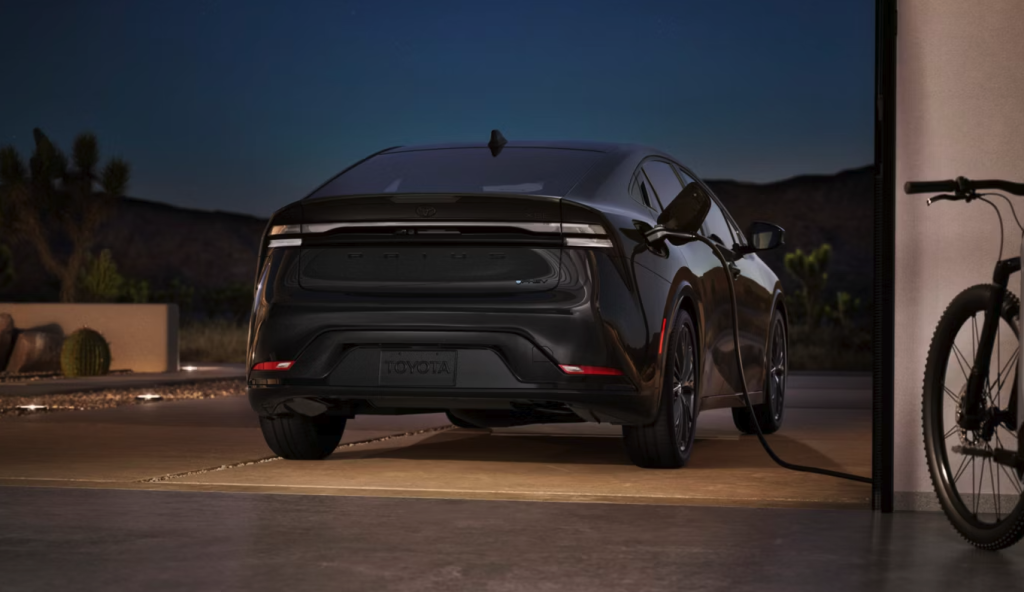
Hybrid SUVs: RAV4, Highlander, and Grand Highlander
Key Takeaway: The 2026 Toyota hybrid SUV lineup gives Panama City buyers three distinct paths, with the RAV4 now hybrid-only for broad crossover appeal, the Highlander Hybrid as the efficient midsize family answer, and the Grand Highlander Hybrid expanding room, cargo, and powertrain variety for larger households.
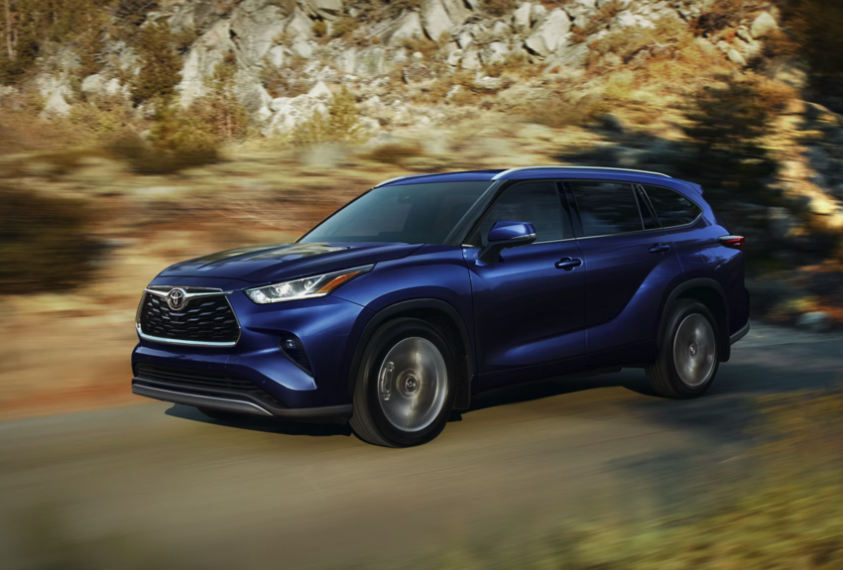
Toyota’s hybrid SUV strategy is where the 2026 lineup becomes especially important for local buyers. Compact-to-three-row utility is the center of the market, and Toyota now approaches that space with clearer roles than before. The 2026 RAV4 is now officially hybrid only, with a starting MSRP of $31,900. The 2026 Highlander Hybrid carries a manufacturer-estimated 35 combined MPG, standard AWD, seating for up to eight, and up to 3,500 pounds of towing. The 2026 Grand Highlander adds even more size flexibility, with gas, Hybrid, and Hybrid MAX powertrains, up to 97.5 cubic feet of cargo room with the rear seats folded, and an efficiency-leading hybrid rated at 34 combined MPG. That gives Panama City Toyota a stronger SUV hybrid ladder than many brands can currently match.
The RAV4, Highlander Hybrid, and Grand Highlander Hybrid all solve different lifestyle needs. One is the volume compact crossover that now makes hybrid efficiency standard. One is the more traditional midsize family SUV with a simpler trim story. One is the roomier, more flexible three-row option that gives buyers both efficient hybrid and higher-output Hybrid MAX routes. At Panama City Toyota, the better move is not to ask “Which SUV has the best number?” It is to ask which one fits your family, your gear, your driving pattern, and your budget.
2026 RAV4: Why Hybrid-Only Changes the Shopping Conversation
The 2026 RAV4 is one of the most important models in the entire Toyota hybrid portfolio because Toyota has now made it hybrid only. The official RAV4 site says exactly that, and Toyota’s pricing display shows the new RAV4 starts at $31,900. Toyota’s earlier 2026 RAV4 preview also states that the first-ever FWD hybrid makes 226 combined system net horsepower, while AWD versions produce 236 combined system net horsepower. That change is bigger than it looks. It turns the RAV4 from a crossover with an available electrified upgrade into a mainstream Toyota SUV where hybrid ownership is simply the default.
For Panama City Toyota, that makes the RAV4 easier to recommend and easier to explain. Buyers no longer have to ask whether the hybrid is worth the extra step. Toyota already answered that question by making the full model line hybrid-only. That is one of the strongest examples in the 2026 lineup of Toyota moving hybrid technology out of the “specialty” category and into the everyday core of the brand. Panama City Toyota also has live 2026 RAV4 model research and inventory references on the site, which means local shoppers can move straight into trim, features, front-wheel drive versus all-wheel drive, and monthly budget instead of debating the base powertrain.
There is also a useful strategic angle here that many competitors do not match. A hybrid-only RAV4 gives buyers a more predictable ownership story. Fuel economy and electrified performance are built into the lineup instead of being locked to a separate variant. That is especially important in a market like Panama City, where the RAV4 appeals to commuters, families, active buyers, and people who simply want a practical SUV with better fuel efficiency than the old gas default. At Panama City Toyota, we see the 2026 RAV4 as the model that most clearly shows Toyota’s hybrid strategy maturing from optional upgrade to normal expectation.
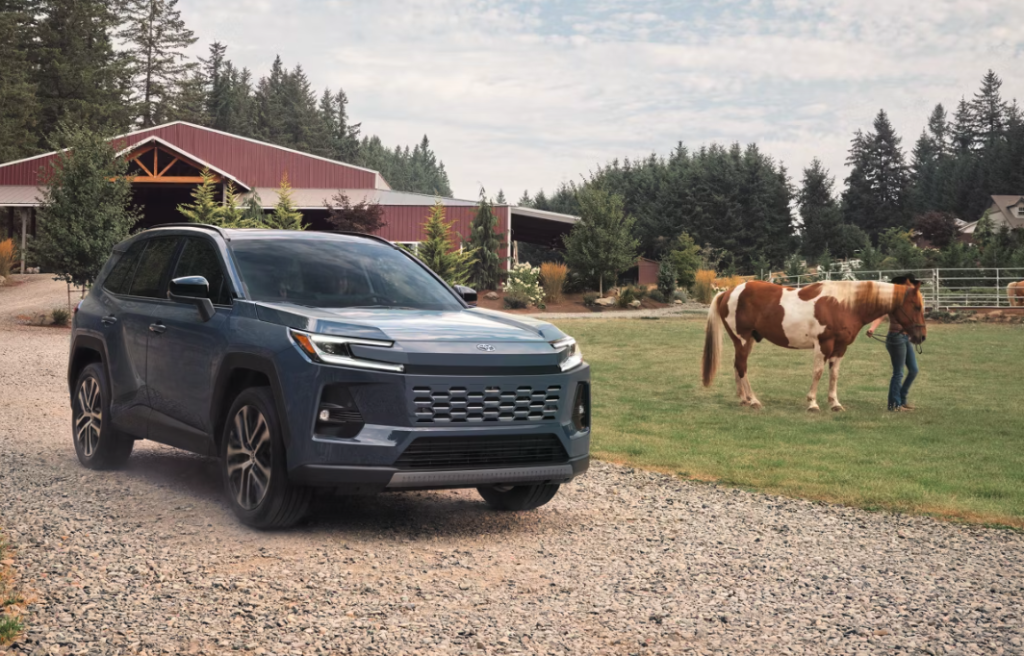
Highlander Hybrid and Grand Highlander Hybrid for Growing Families
The 2026 Highlander Hybrid and Grand Highlander Hybrid sit close enough in the market that they often confuse shoppers, but Toyota actually gives them very different jobs. The Highlander Hybrid remains the more familiar midsize family SUV. Toyota’s official newsroom says it earns a manufacturer-estimated 35 combined MPG, can tow up to 3,500 pounds, seats up to eight, comes standard with AWD, and is available in XLE, Limited, and Platinum grades. For Panama City buyers, that makes the Highlander Hybrid a strong answer when you want a family SUV with real efficiency but do not need the extra footprint of the Grand Highlander.
The Grand Highlander moves the conversation toward space and powertrain flexibility. Toyota’s newsroom says the 2026 Grand Highlander is available in five grades, three powertrain choices, and two drivetrain options, with enough room for seven small roller bags behind the third row and up to 97.5 cubic feet of cargo capacity with the rear seats folded flat. Toyota also says the standard Hybrid version reaches a manufacturer-estimated 34 combined MPG, while the Hybrid MAX delivers 362 horsepower for buyers who want stronger performance. The overall Grand Highlander line starts at $41,660, though hybrid grade pricing depends on trim and configuration. That gives Panama City Toyota two family hybrid stories instead of one: the Highlander Hybrid for simpler midsize family efficiency, and the Grand Highlander Hybrid for extra space, more cargo flexibility, and broader powertrain choice.
This is another place where our local recommendation differs from a lot of national guides. Many articles treat the Highlander Hybrid and Grand Highlander Hybrid as a pure size question. At Panama City Toyota, we think the better question is how your family actually uses the third row and cargo area. If the third row is occasional and efficiency matters most, Highlander Hybrid is often enough. If the third row needs to work for real people regularly, or you want more road-trip cargo confidence, the Grand Highlander Hybrid makes a stronger case. That is the kind of distinction that matters far more than a simple ranking table, especially for Gulf Coast families balancing school duty, beach gear, luggage, and highway travel.
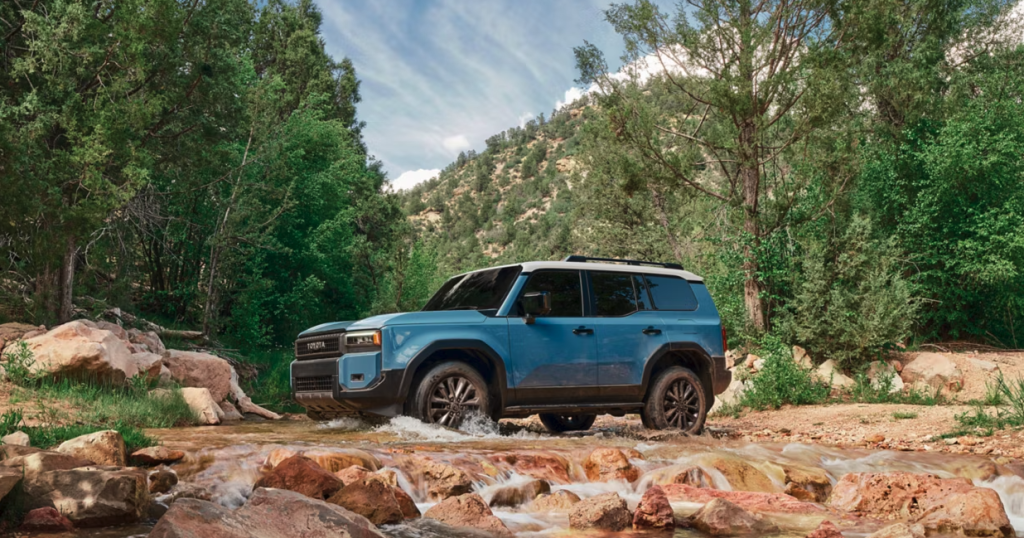
Full-Size Hybrid Power: Tundra, Sequoia, Land Cruiser, and 4Runner
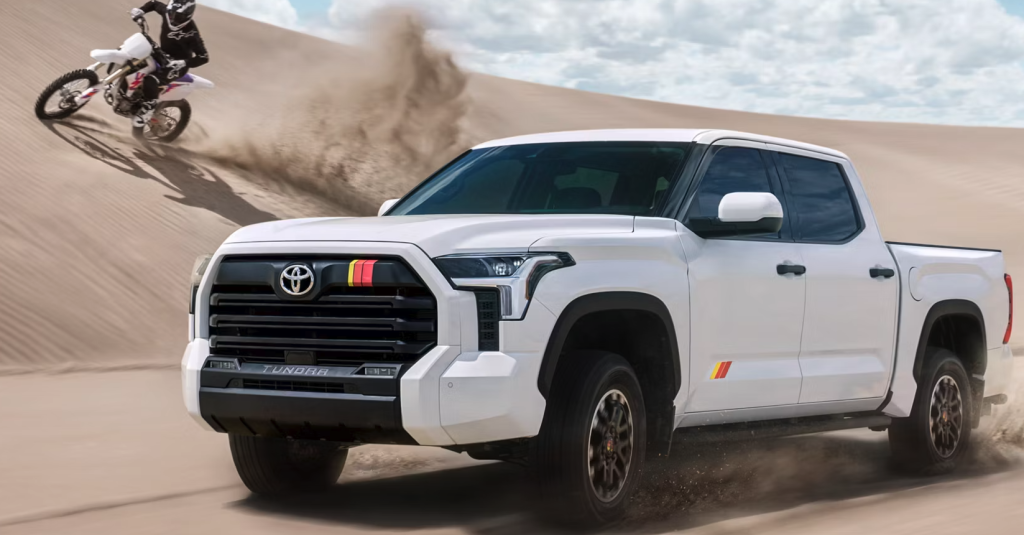
Toyota’s hybrid story in 2026 is not limited to commuter cars and family crossovers. This is one of the most important “unique value add” angles in the article because many hybrid guides barely acknowledge how unusual Toyota’s broader electrified range is. Toyota’s official and newsroom materials show that the brand also offers hybrid muscle in body-on-frame SUVs and full-size trucks. The 2026 Sequoia uses the i-FORCE MAX hybrid with 437 horsepower and 583 lb-ft of torque. The 2026 Tundra i-FORCE MAX also produces 437 horsepower and 583 lb-ft of torque. The 2026 Land Cruiser uses a 2.4-liter i-FORCE MAX hybrid with 326 net combined horsepower and 465 lb-ft of torque, while the 2026 4Runner offers the same 2.4-liter i-FORCE MAX hybrid on several higher and off-road-focused grades.
That breadth matters because it changes how Panama City Toyota can guide hybrid buyers. A shopper who wants hybrid efficiency is one thing. A shopper who wants hybrid torque for towing, trail work, gear hauling, or family travel is something else. Toyota’s current lineup serves both. The Sequoia adds up to 9,500 pounds of towing to its hybrid formula, while the Land Cruiser pairs its hybrid powertrain with full-time 4WD, 6,000 pounds of towing, and a heritage off-road mission. The 4Runner, meanwhile, uses i-FORCE MAX as a performance and capability upgrade in grades like TRD Pro, Trailhunter, and Platinum. This is exactly the kind of hybrid diversity that most rival lineups still do not offer in one brand family.
For Panama City shoppers, this full-size and truck-based hybrid layer is what turns Toyota’s 2026 lineup from “wide” into genuinely strategic. You do not have to leave the Toyota family when your needs move from city commuting to towing, camping, fishing, road-tripping, or off-road travel. You can move from Corolla Hybrid or Camry into a RAV4, then into a 4Runner i-FORCE MAX, Sequoia, or Tundra if your life requires more capability. At Panama City Toyota, that gives us a better long-term ownership conversation because we are not just selling one efficient car. We are helping buyers choose the right electrified tool for the next few years of real life in and around Panama City.
Hybrid SUV and Capability Comparison Tables
| Model | Hybrid Strategy | Efficiency / Output Highlight | Utility Highlight | Best Fit |
| 2026 RAV4 | Hybrid-only lineup | Hybrid standard; up to 226 hp FWD or 236 hp AWD | Mainstream compact crossover versatility | Buyers who want the easiest all-around hybrid SUV choice |
| 2026 Highlander Hybrid | Dedicated hybrid family SUV | 35 combined MPG | Standard AWD, up to eight seats, up to 3,500 lbs towing | Families who want efficiency without full-size bulk |
| 2026 Grand Highlander Hybrid | Multiple family-oriented powertrain choices | 34 combined MPG on hybrid; 362 hp on Hybrid MAX | Up to 97.5 cu ft cargo; real three-row space | Growing families who want more room and flexibility |
| 2026 4Runner i-FORCE MAX | Hybrid for capability-focused grades | 2.4L i-FORCE MAX available on key trims | Truck-based SUV utility and trail focus | Buyers who want hybrid torque and rugged use |
| 2026 Land Cruiser | Hybrid standard in a heritage off-roader | 326 net combined hp; 465 lb-ft | Full-time 4WD; up to 6,000 lbs towing | Adventure buyers who want premium off-road identity |
| 2026 Sequoia | Full-size i-FORCE MAX hybrid SUV | 437 hp; 583 lb-ft | Up to 9,500 lbs towing; three-row utility | Families needing heavy-duty SUV capability |
| 2026 Tundra i-FORCE MAX | Full-size hybrid truck option | 437 hp; 583 lb-ft | Up to 12,000 lbs towing in Tundra lineup | Buyers who want hybrid torque with truck utility |
Hybrid SUV and capability sources: Toyota official model pages and Toyota newsroom materials.
| Buyer Priority | Best 2026 Toyota Hybrid Match | Why |
| Lowest-cost path into Toyota hybrid ownership | Corolla Hybrid | Strong MPG and simpler compact-sedan value story |
| Best all-around daily sedan | Camry | All-hybrid lineup, midsize comfort, available AWD |
| Highest mainstream compact-SUV volume pick | RAV4 | Hybrid-only strategy simplifies the decision |
| Best efficient midsize family SUV | Highlander Hybrid | Strong MPG, standard AWD, proven family format |
| Best roomy three-row hybrid | Grand Highlander Hybrid | More cargo and more third-row practicality |
| Best hybrid for towing and family SUV duty | Sequoia | 437 hp, 583 lb-ft, and up to 9,500 lbs towing |
| Best hybrid for adventure and off-road identity | Land Cruiser or 4Runner i-FORCE MAX | Truck-based capability with hybrid torque |
| Best hybrid truck answer | Tundra i-FORCE MAX | Full-size truck strength with electrified torque |
Buyer-fit table sources: Toyota official model pages and newsroom specs.
Shop 2026 Toyota Hybrids at Panama City Toyota
Key Takeaway: Panama City Toyota is positioned to help local buyers sort the 2026 hybrid lineup by real use case, not by hype, with current hybrid inventory, electrified education, finance tools, and service support already built into the local site.
Panama City Toyota’s site already gives hybrid shoppers a strong local starting point. The dealership homepage highlights new Toyota inventory, finance support, and a state-of-the-art Toyota service center, while the Electrified page explains how Hybrid Electric Vehicles work and how they recharge through captured braking energy rather than requiring a plug. The site also shows live 2026 availability signals for models like the Camry, Corolla Hybrid, and RAV4.
Panama City Toyota is located at 959 West 15th Street, Panama City, FL 32401, visit us and you can move from education into real availability, monthly payment planning, and ownership support without leaving the local ecosystem. Panama City Toyota’s site also makes clear that certified Toyota service and OEM parts support are part of the long-term relationship, which matters for buyers who plan to keep a hybrid for years and want confidence after delivery, not just before it.
How Panama City Drivers Should Choose the Right Hybrid
At Panama City Toyota, we recommend choosing a 2026 Toyota hybrid by asking four practical questions. First, how much space do you really need each day? Second, how much do you drive, and how heavily does fuel economy affect your monthly budget? Third, do you want a simpler commuter-focused hybrid, or do you need SUV flexibility, towing, or truck-based capability? Fourth, do you want the most efficient answer, or the most balanced answer? Toyota’s current hybrid range is wide enough that these questions usually narrow the field quickly.
For Panama City commuters, the Corolla Hybrid, Camry, and Prius make the most sense as first stops. For local families, the RAV4, Highlander Hybrid, and Grand Highlander Hybrid are the center of gravity. For buyers who need more torque, towing, or off-road confidence, the 4Runner i-FORCE MAX, Land Cruiser, Sequoia, and Tundra i-FORCE MAX are the better conversation. That Toyota-versus-Toyota comparison should always come first. Only after that should a shopper step outward and compare with competitors, because Toyota’s biggest advantage in 2026 is how many hybrid use cases it covers under one roof.
You can browse current inventory, apply for financing, review offers, and plan a test drive while also seeing the service and ownership resources that matter after you buy. That is especially valuable for hybrid shoppers because confidence in long-term maintenance, certified service, and dealership support often matters just as much as MPG or horsepower. Our team can help you decide whether your best match is an efficient hybrid sedan, a family SUV, or a higher-torque hybrid model built for towing and adventure. The goal is not to push one hybrid answer on every driver. It is to match each Panama City shopper with the Toyota hybrid that fits real life best.
For a quick hybrid shopping checklist, these are the three points we tell Panama City buyers to keep in mind:
- Do not shop by MPG alone. Efficiency matters, but space, comfort, traction, cargo, and capability matter too.
- Compare Toyota hybrids against one another before looking outside the brand. Toyota’s internal lineup differences are large enough that the right answer may already be in-house.
- Use the dealership website as part of the process, not only the final step. Inventory, finance tools, and service visibility help make a better long-term decision.
2026 Toyota Hybrid Lineup FAQs
Key Takeaway: The most common 2026 Toyota hybrid questions in Panama City are about which model delivers the best MPG, which hybrid SUV is right for a family, and whether Toyota hybrids still make sense if you need towing or capability.
Which 2026 Toyota hybrid gets the best fuel economy?
Among the mainstream Toyota hybrids discussed in this guide, the 2026 Prius carries the highest published efficiency with up to 57 combined MPG, while the 2026 Corolla Hybrid reaches up to 53 city, 46 highway, and 50 combined MPG, and the 2026 Camry delivers up to 51 combined MPG. At Panama City Toyota, we tell shoppers not to stop at the top number alone. The right answer depends on whether you want the absolute best efficiency, the best value, or the best balance of space and comfort for daily driving.
Which 2026 Toyota hybrid SUV is best for families in Panama City?
The best family answer depends on size and routine. The 2026 RAV4 is now hybrid-only and works well for shoppers who want a compact crossover with broad everyday usefulness. The 2026 Highlander Hybrid is a strong midsize family choice with 35 combined MPG, standard AWD, and seating for up to eight. The 2026 Grand Highlander Hybrid is the better fit if your family needs more cargo room, a more usable third row, or the option of the stronger Hybrid MAX powertrain. At Panama City Toyota, the right family hybrid SUV usually comes down to seating and cargo needs first, then powertrain preference second.
Are there 2026 Toyota hybrids for towing and off-road driving?
Yes. One of Toyota’s biggest advantages in 2026 is that its hybrid strategy extends well beyond commuter cars. The 2026 Sequoia uses the i-FORCE MAX hybrid with 437 horsepower and 583 lb-ft of torque and can tow up to 9,500 pounds. The 2026 Land Cruiser uses a 2.4-liter i-FORCE MAX hybrid with 326 net combined horsepower and 465 lb-ft of torque, and the 2026 4Runner offers that same hybrid system on several key grades. The 2026 Tundra i-FORCE MAX also brings 437 horsepower and 583 lb-ft of torque into the truck lineup.
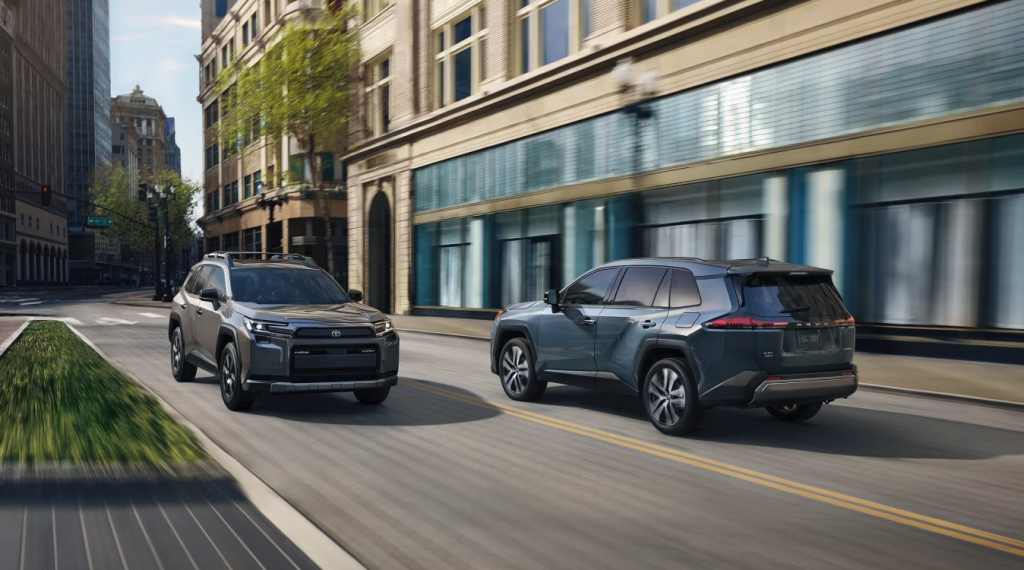
Visit Panama City Toyota for Your 2026 Hybrid Test Drive
The 2026 Toyota hybrid lineup gives Panama City drivers more than one good answer. It gives them a real ladder, from Corolla Hybrid and Camry efficiency to RAV4 and Highlander family practicality to Grand Highlander flexibility and full-size hybrid capability in the 4Runner, Land Cruiser, Sequoia, and Tundra. At Panama City Toyota, our job is to help you compare those choices in a way that matches your commute, your family, your cargo needs, and your long-term budget. Visit us at 959 West 15th Street, Panama City, FL 32401, browse current hybrid inventory on our website, and let our team help you test drive the Toyota hybrid that fits your life best.
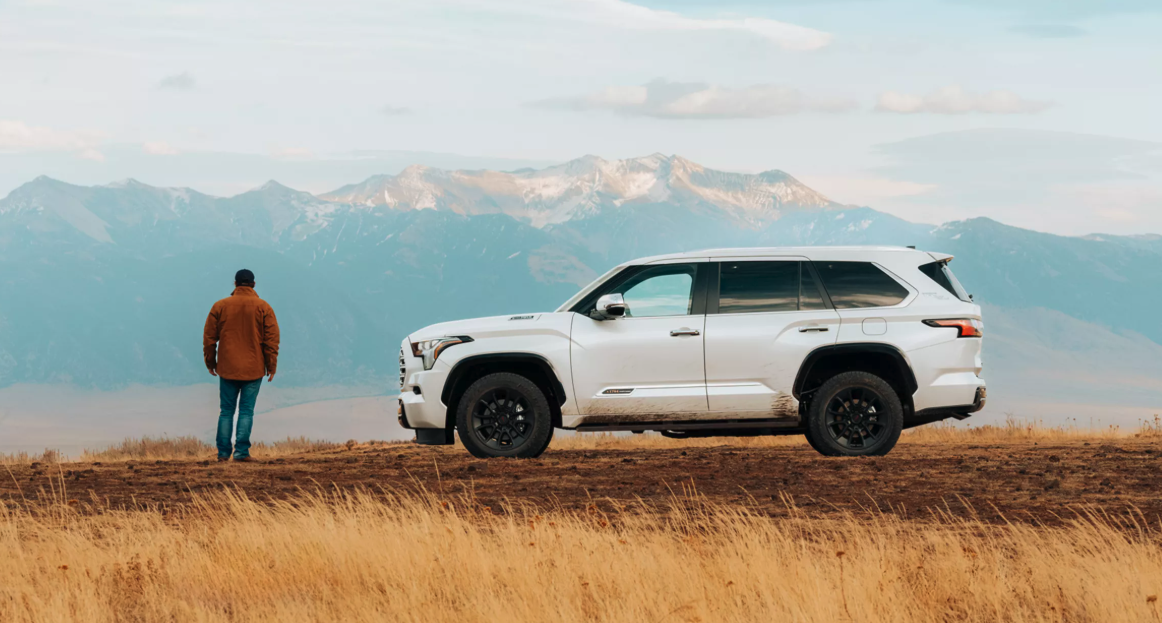
Toyota’s official 2026 4Runner materials say the lineup offers nine grades and starts at $41,570 MSRP before delivery processing and handling, while Toyota’s configurator shows the 2026 Sequoia starting at $64,825 MSRP. That price spread alone tells you these SUVs solve different problems, even though both can wear rugged styling and off-road hardware. At Panama City Toyota, we see the 4Runner as the more focused adventure-first option and the Sequoia as the bigger family-and-towing answer with a more premium ceiling.
Before we break the SUVs down section by section, here is the fastest way we frame the decision for local shoppers:
- Pick the 2026 Toyota 4Runner if you want easier maneuverability, a more trail-focused personality, and strong capability without moving into full-size SUV size or pricing.
- Pick the 2026 Toyota Sequoia if you need stronger towing, standard hybrid torque, and a roomier three-row cabin for family duty or long Gulf Coast trips.
- Compare Toyota versus Toyota first because these two SUVs already cover very different needs before you even look at non-Toyota competitors.
Table of Contents
- Size, Seating Capacity, and Cargo Space Compared
- 1.1 4Runner Packaging, Third-Row Flexibility, and Everyday Agility
- 1.2 Sequoia Cabin Space, Family Seating, and Full-Size Utility
1.3 Size and Practicality Comparison Tables - i-FORCE MAX Hybrid Power and Towing Capability
2.1 4Runner Powertrains, Tow Ratings, and Adventure-Ready Balance
2.2 Sequoia Hybrid Muscle, 9,500-Pound Towing, and Long-Haul Comfort
2.3 Powertrain and Capability Comparison Tables - TRD Pro Trims and Panama City Lifestyle Fit
3.1 Trail Capability Head to Head - Choose Your 2026 SUV at Panama City Toyota
- 2026 Toyota 4Runner vs Sequoia FAQs
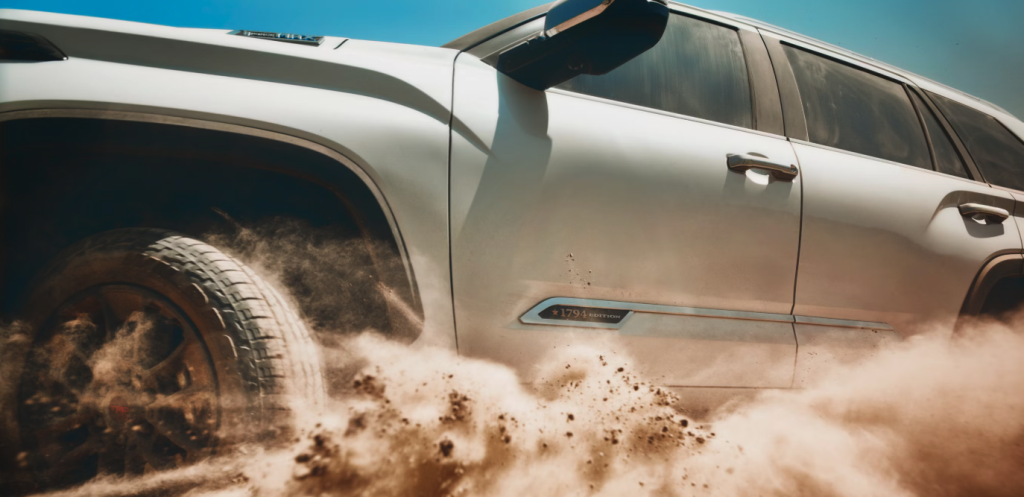
Size, Seating Capacity, and Cargo Space Compared
Key Takeaway: The 2026 Toyota 4Runner gives Panama City drivers a more maneuverable midsize SUV with available seating for up to seven, while the 2026 Toyota Sequoia delivers the roomier full-size cabin, more passenger flexibility, and the stronger case for larger families or heavier travel routines.
At Panama City Toyota, this is the first major dividing line between the 2026 4Runner and the 2026 Sequoia. The official Toyota 4Runner site says the SUV offers available third-row seating for up to seven people, while Toyota’s official Sequoia site says second-row bench seats make room for up to eight and captain’s chairs allow seating for up to seven. That sounds close on paper, but the daily experience is not especially close. The 4Runner gives you the option to carry more people in a midsize package. The Sequoia is built from the start to be Toyota’s full-size SUV, with more overall passenger space and a more natural fit for households that use the third row more often.
The 4Runner’s strength is that it does not feel bloated for buyers who still want rugged utility and occasional family flexibility. Toyota says the 2026 4Runner offers up to 90.2 cubic feet of cargo space with all seats folded down, which is strong for a midsize SUV and part of the reason the 4Runner keeps such a loyal following. It is big enough for camping gear, coolers, fishing equipment, luggage, and weekend cargo, but it is still sized for drivers who do not want a full-size SUV every day. That matters in Panama City, where buyers may want one vehicle that can handle a weekday commute, weekend gear, and back-road recreation without always feeling oversized in town.
The Sequoia takes a different approach. Toyota’s official site and e-brochure emphasize the power third-row seats, sliding third-row function, and durable cargo shelf system that lets owners customize interior space more easily. Toyota also notes that the Sequoia is its only full-size SUV and offers the most passenger and cargo space in the Toyota SUV family. At Panama City Toyota, that makes the Sequoia the clear recommendation for buyers who know their SUV needs to handle family trips, regular second- and third-row use, larger cargo loads, and bigger travel expectations from the start.
4Runner Packaging, Third-Row Flexibility, and Everyday Agility
The 2026 4Runner remains the better fit for shoppers who want their SUV to feel capable and substantial without becoming large for the sake of being large. Toyota’s official 4Runner site highlights available third-row seating, a wide stance, up to 10.1 inches of ground clearance, and available features such as Stabilizer Disconnect Mechanism and Multi-Terrain Monitor on select models. Panama City Toyota’s local 4Runner research also calls out the available Tow Technology Package and the available 14-inch touchscreen tied to off-road viewing functions. The message is clear: the 4Runner is trying to blend utility, new tech, and rugged design in a package that still prioritizes maneuverability and adventure posture over maximum interior sprawl.
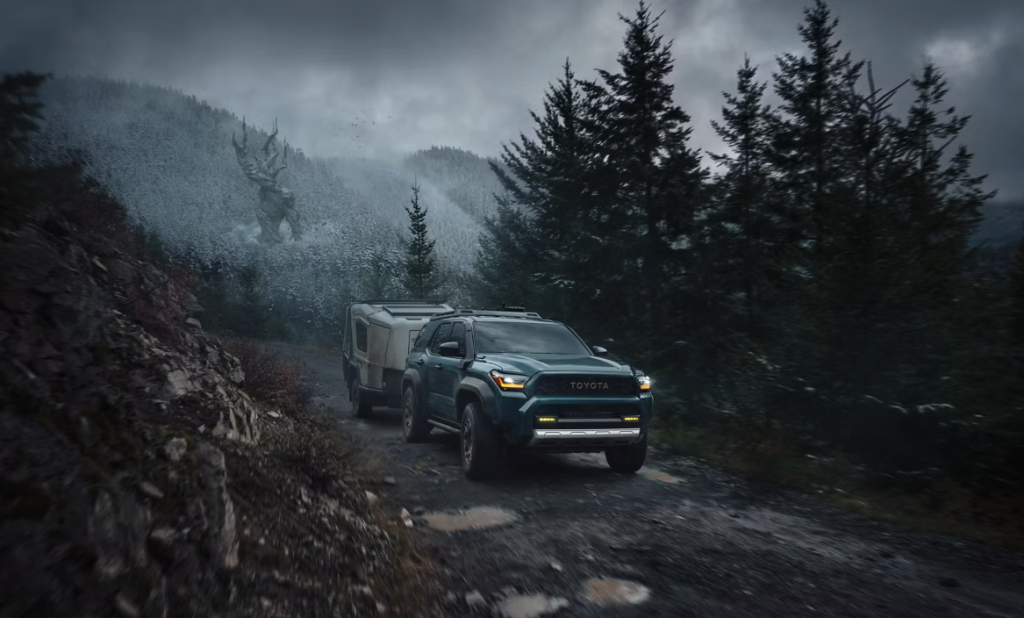
That is important because the 4Runner’s available third row should be seen as flexibility, not as a substitute for a true full-size family hauler. At Panama City Toyota, we would position the 4Runner’s third row as a useful advantage for growing families, occasional extra passengers, or buyers who want more options without moving out of the midsize class. The Sequoia still does the three-row job more naturally, but the 4Runner gives you more versatility than many midsize off-road SUVs offer. That matters for Panama City buyers who spend most of the year using the cargo area for gear, then occasionally need extra seats for family or friends.
The 4Runner also wins on psychological size. That sounds subjective, but it matters in real ownership. A midsize SUV that feels easier to park, easier to place on narrower roads, and less bulky during everyday errands can be the better long-term choice for a driver who values confidence and simplicity more than maximum cabin volume. That is part of why the 4Runner and Sequoia should never be treated as interchangeable. One gives you full-size benefits. The other gives you enough space while preserving a more direct, adventure-oriented feel. At Panama City Toyota, that tradeoff is often what decides the sale.
Sequoia Cabin Space, Family Seating, and Full-Size Utility
The Sequoia answers a different set of needs, and it does so with fewer compromises for larger households. Toyota’s official Sequoia site says bench seating supports up to eight passengers and captain’s chairs support up to seven, while the interior overview emphasizes heated front seats, available heated and ventilated first- and second-row seats, and a power-folding third row that slides for cargo flexibility. Panama City Toyota’s local Sequoia model overview reinforces the same family-first theme by highlighting seating flexibility and the SUV’s overall size advantage. This is not a truck substitute with an SUV body. It is a real full-size family SUV built to handle premium comfort and serious utility together.
There is also a value point that broad comparisons often miss. Sequoia buyers are not only paying for more sheet metal. They are paying for an SUV whose packaging is inherently more compatible with regular third-row use, broader shoulder room, larger cargo expectations, and family travel where comfort matters for multiple rows at once. Toyota’s 2026 Sequoia updates also include more premium interior features in upper trims, including massaging seats on 1794, Platinum, and Capstone grades, which Toyota highlighted in its 2026 Sequoia newsroom release. That moves the Sequoia farther into premium family territory than the 4Runner is trying to reach.
At Panama City Toyota, we recommend the Sequoia most often to buyers who already know their SUV will handle family road trips, towing, school-duty rotation, airport pickups, luggage, and a full cabin on a regular basis. The 4Runner can stretch into some of that work. The Sequoia is built for it. That difference matters far more than simply saying one is midsize and one is full-size, because the real buying question is not what segment they belong to. It is how often your passengers and cargo are going to test the limits of the vehicle.
Size and Practicality Comparison Tables
| Category | 2026 Toyota 4Runner | 2026 Toyota Sequoia |
| Vehicle class | Midsize body-on-frame SUV | Full-size body-on-frame SUV |
| Starting MSRP | $41,570 MSRP in Toyota newsroom; Toyota retail site shows $41,870 starting MSRP | $64,825 starting MSRP in Toyota configurator |
| Seating capacity | Available third row; seats up to 7 | Seats up to 8 with bench or up to 7 with captain’s chairs |
| Cargo highlight | Up to 90.2 cu. ft. with seats folded | Power third row and sliding cargo system for flexible family use |
| Best size fit | Buyers who want easier maneuverability and rugged utility | Buyers who need more room for people and gear |
Size table sources: Toyota official 4Runner and Sequoia materials.
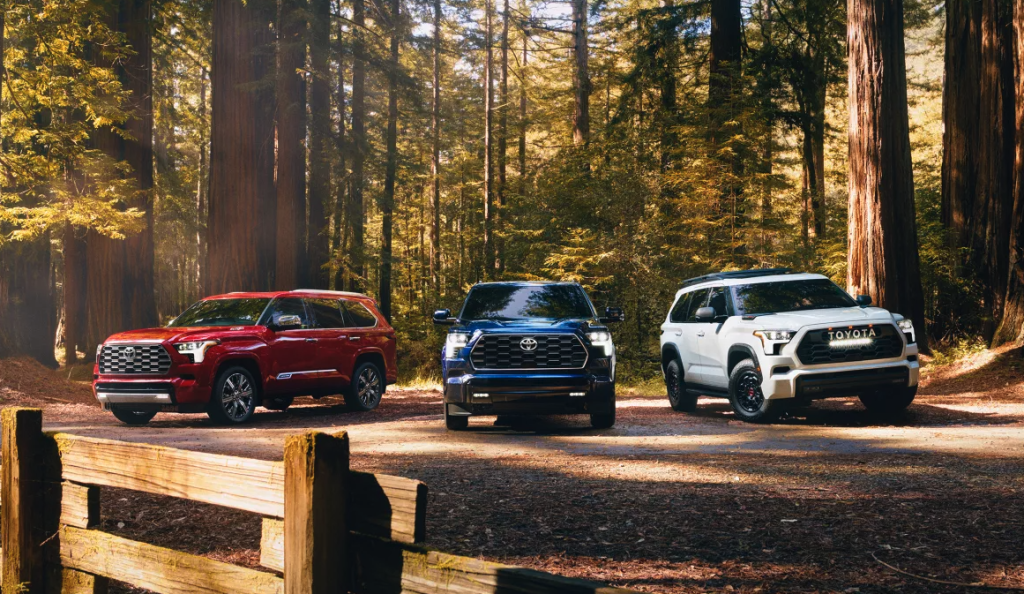
| Buyer Question | Better Answer | Why |
| I want the easier daily-driver footprint | 4Runner | The midsize form is simpler to place and easier to live with every day. |
| I need a true family-sized third row | Sequoia | It is Toyota’s full-size SUV with more natural third-row and passenger-space logic. |
| I want occasional extra seating without jumping to full-size | 4Runner | Available third-row seating gives useful flexibility in a smaller package. |
| I carry more people and luggage regularly | Sequoia | More passenger room and a more flexible full-size cargo setup make it the stronger fit. |
Buyer-fit table sources: Toyota official model materials and comparison data.
i-FORCE MAX Hybrid Power and Towing Capability
Key Takeaway: The 2026 4Runner offers a broader powertrain range and a strong 6,000-pound tow rating for midsize buyers, while the 2026 Sequoia delivers standard i-FORCE MAX hybrid muscle and up to 9,500 pounds of towing for buyers who need more power and more margin.
Powertrain strategy is one of the biggest reasons these SUVs feel so different. Toyota’s 2026 4Runner newsroom release says the SUV offers a 2.4-liter turbocharged i-FORCE MAX hybrid powertrain that is standard on TRD Pro, Trailhunter, and Platinum grades and available on TRD Off-Road, TRD Off-Road Premium, and Limited models. That means the 4Runner uses i-FORCE MAX as an upgrade path tied to more premium or more capability-oriented trims, not as the default for every buyer. By contrast, Toyota’s 2026 Sequoia newsroom release says all 2026 Sequoias use the twin-turbo V6 hybrid i-FORCE MAX powertrain, producing 437 horsepower and 583 lb-ft of torque. That is a fundamentally different positioning strategy.
The towing numbers reinforce the split. Toyota’s towing hub and official materials list the 2026 4Runner at up to 6,000 pounds of towing, while the 2026 Sequoia reaches up to 9,500 pounds. For Panama City Toyota shoppers, that usually settles the towing side of the debate quickly. If towing is moderate and the SUV still needs to feel compact enough for adventure use, the 4Runner holds up very well. If towing is central to the ownership plan, especially for larger boats, heavier trailers, or more frequent hauling, the Sequoia is the more comfortable recommendation.
This is also where the competitive gap in other articles shows up again. A lot of head-to-head pieces mention horsepower and towing but spend less time on how the power is deployed. In the 4Runner, i-FORCE MAX is part of the adventure and off-road story, helping deliver stronger torque in trims where buyers are likely to care about trail performance and premium capability. In the Sequoia, i-FORCE MAX is the foundation of the whole model line, helping justify a higher price, a larger body, and more serious towing expectations. At Panama City Toyota, that is why we tell buyers not to treat “both have i-FORCE MAX” as the end of the story. The role of the system is different in each SUV.
4Runner Powertrains, Tow Ratings, and Adventure-Ready Balance
The 2026 4Runner is appealing because Toyota lets buyers choose how far up the performance ladder they want to go. The 4Runner comparison data surfaced by Cars.com lists a standard 278-horsepower engine in lower trims and shows the SUV towing 6,000 pounds, while Toyota’s official 2026 4Runner materials confirm that i-FORCE MAX is available or standard on multiple upper grades. Panama City Toyota’s local 4Runner research adds useful context by highlighting the available Tow Technology Package, available Tow Tech on higher trims, and tech such as Multi-Terrain Monitor that aligns the SUV’s towing and off-road story with its adventure identity.
That matters because the 4Runner is not trying to be a one-size-fits-all SUV. It is trying to let buyers choose between a more affordable turbo setup and a stronger hybrid-enhanced version depending on how much performance, towing, or premium equipment they want. At Panama City Toyota, that is a genuine advantage for shoppers who like the 4Runner’s size and personality but do not all need the same engine or the same trim cost. It also makes the 4Runner easier to fit to a budget than the Sequoia, which starts much higher and comes only with its stronger hybrid system.
There is another technical point that deserves more attention: the 4Runner is still built to feel like an adventure SUV first, even when it adds more technology and more comfort. Toyota’s 2026 4Runner materials highlight off-road hardware such as an electronically locking rear differential on TRD Off-Road, TRD Pro, and Trailhunter, Multi-Terrain Select functionality, and available Stabilizer Disconnect Mechanism. That means a buyer choosing a 4Runner is not only choosing a smaller Sequoia. They are choosing a different mission profile, where trail composure, articulation, and off-road feature depth are more central to the identity.
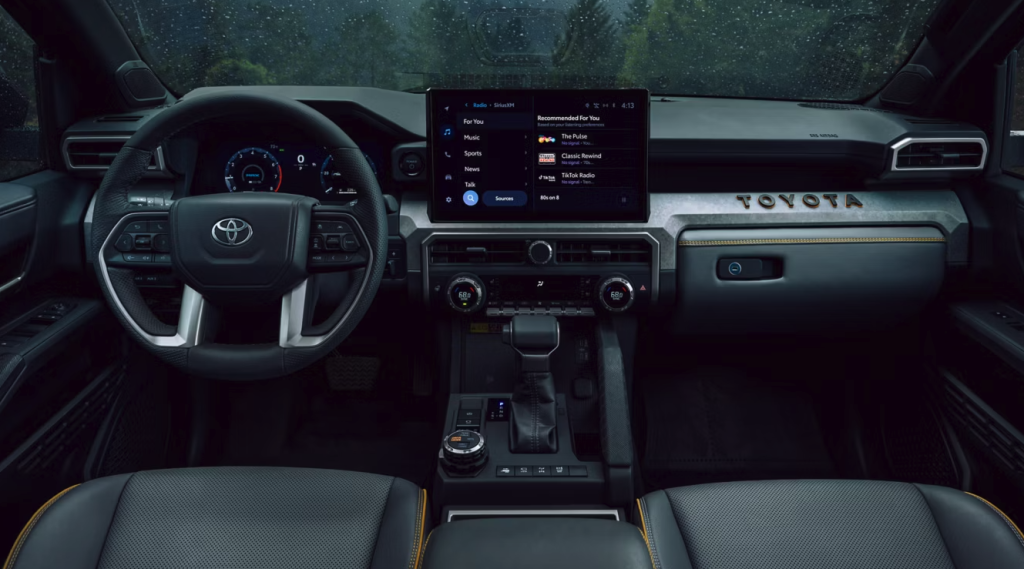
Sequoia Hybrid Muscle, 9,500-Pound Towing, and Long-Haul Comfort
The Sequoia makes its case by giving buyers less ambiguity. Every 2026 Sequoia gets the i-FORCE MAX hybrid, and Toyota says that system produces 437 horsepower and 583 lb-ft of torque. The official Sequoia site and e-brochure also point to up to 9,500 pounds of towing, available load-leveling rear height control air suspension, and features like Tow/Haul and Tow+ modes to optimize towing parameters. In other words, Sequoia buyers are not paying only for size. They are also paying for a powertrain and chassis setup meant to support heavier work while keeping the cabin premium and family-friendly.
That is why the Sequoia is so compelling for Panama City households that need both people-space and pulling power. Some shoppers know they need a third-row SUV but also tow a larger boat, camper, or equipment trailer. The Sequoia solves that combination more cleanly than the 4Runner can. It does not ask the buyer to choose between full-size family use and serious hybrid torque. It delivers both by design. Panama City Toyota’s local Sequoia overview reinforces that story by highlighting the same 437-horsepower, 583-lb-ft i-FORCE MAX output and emphasizing towing-ready strength.
The “missing link” point here is that Sequoia is often framed as simply the bigger 4Runner, and that undersells what Toyota is doing. Sequoia is closer to a family-capable hybrid tow platform with off-road options than to a stretched midsize SUV. That distinction matters if your Panama City lifestyle includes hauling people, towing heavier loads, and covering longer distances in comfort. In that scenario, the Sequoia’s higher price starts to make more sense because the whole vehicle is built around a larger job description.
Powertrain and Capability Comparison Tables
| Capability Category | 2026 Toyota 4Runner | 2026 Toyota Sequoia |
| Starting MSRP | $41,570 MSRP in Toyota newsroom | $64,825 starting MSRP in Toyota configurator |
| Powertrain strategy | Standard turbo engine in lower trims; i-FORCE MAX available or standard on several upper grades | Standard i-FORCE MAX twin-turbo V6 hybrid on all trims |
| Hybrid output | i-FORCE MAX available; Toyota positions it on upper trims | 437 hp and 583 lb-ft on every Sequoia |
| Max towing | Up to 6,000 lbs | Up to 9,500 lbs |
| Best capability fit | Buyers who want strong midsize towing and off-road focus | Buyers who need more towing margin and full-size family power |
Capability table sources: Toyota official 4Runner and Sequoia materials.
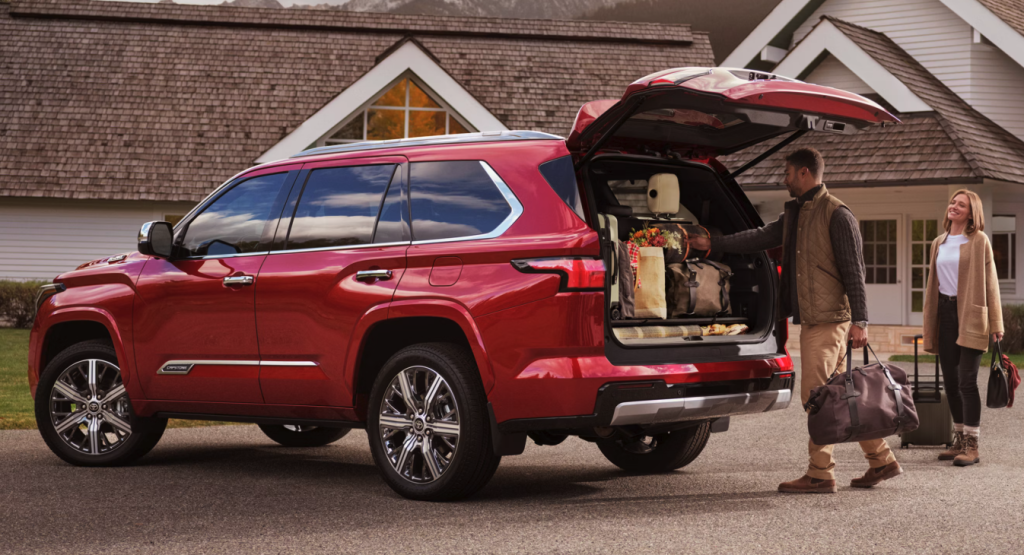
| Local Use Case | Better SUV | Why |
| Beach gear, camping, moderate trailer, easier daily driving | 4Runner | It balances rugged utility with a more manageable size. |
| Family road trips with heavier towing needs | Sequoia | More passenger room and much higher tow capacity make it the stronger answer. |
| Trail-focused buyer who still wants available hybrid power | 4Runner | i-FORCE MAX is tied directly to off-road and premium-capability trims. |
| Family buyer who wants standard hybrid torque in every trim | Sequoia | Every Sequoia gets the 437-hp i-FORCE MAX setup. |
Use-case table sources: Toyota official model materials and Panama City Toyota local model content.
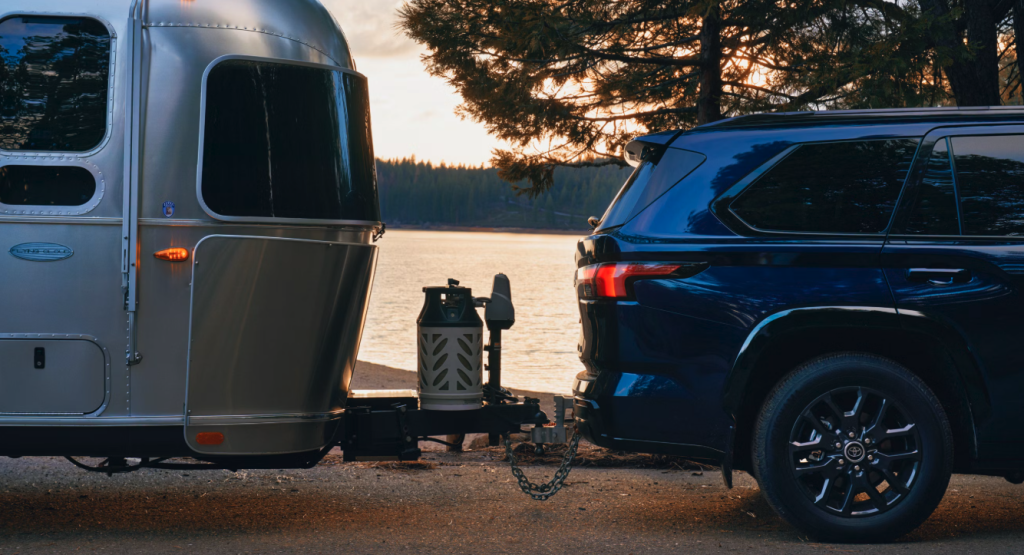
| Spec Snapshot | 2026 4Runner | 2026 Sequoia |
| Seating capacity | Up to 7 | Up to 8 |
| Cargo highlight | Up to 90.2 cu. ft. folded | Sliding third row and cargo shelf system |
| Horsepower headline | 278 hp standard in comparison data; i-FORCE MAX on select trims | 437 hp standard |
| Torque headline | 317 lb-ft standard in comparison data; i-FORCE MAX adds much more | 583 lb-ft standard |
| Towing capacity | 6,000 lbs | 9,500 lbs |
Snapshot table sources: Toyota official materials and current comparison data.
TRD Pro Trims and Panama City Lifestyle Fit
Key Takeaway: The 4Runner TRD Pro is the sharper trail-first choice for buyers who prioritize compact off-road confidence, while the Sequoia TRD Pro is the better fit for drivers who want serious off-road hardware layered onto a larger, more powerful, family-capable SUV.
TRD Pro is where the 4Runner and Sequoia seem most alike, but this is another area where Panama City Toyota would urge buyers to slow down and look at mission. Toyota’s 2026 4Runner materials say the lineup includes TRD Pro and Trailhunter trims, and the 4Runner newsroom release notes that the i-FORCE MAX hybrid is standard on TRD Pro. Toyota’s press materials also say TRD Off-Road, TRD Pro, and Trailhunter grades get an electronically locking rear differential, while Multi-Terrain Select and other trail-focused controls are central to the off-road package. That makes the 4Runner TRD Pro feel purpose-built for the buyer who wants maximum trail identity without the size and expense jump into Sequoia territory.
Toyota’s 2026 Sequoia newsroom release says TRD Pro and Sequoias equipped with the TRD Off-Road package come with an electronically locking rear differential, plus Crawl Control and Downhill Assist Control for low-speed trail situations. Sequoia TRD Pro also rides on the larger platform, with standard i-FORCE MAX power and the family-sized cabin still intact. That means Sequoia TRD Pro is not just a big SUV with black wheels. It is a full-size hybrid SUV that layers off-road credibility on top of serious towing and passenger capacity.
Trail Capability Head to Head
The 4Runner TRD Pro tends to make more sense for Panama City buyers who truly see trail capability as the center of the vehicle’s identity. Toyota says the 4Runner offers features such as Multi-Terrain Select, locking rear differential hardware on the right trims, and even an available onboard air compressor. Its smaller size and available stabilizer-disconnect hardware also support the idea that the 4Runner is designed to feel more nimble off pavement. At Panama City Toyota, that translates into a recommendation for buyers who want the SUV to feel special on a trail, a back road, or an adventure trip, not only in the driveway.
The Sequoia TRD Pro is the better answer if your life requires a bigger job description. Toyota gives it locking differential hardware, Crawl Control, and full hybrid muscle, but it does all of that while preserving a much more family-ready cabin and substantially greater towing strength. In other words, Sequoia TRD Pro is for the buyer who wants to bring a larger crew, haul more gear, tow more weight, and still have meaningful off-road hardware available. It is less of a compact trail tool and more of a broad-spectrum adventure SUV.
Around Panama City, that difference matters. Some buyers want an SUV that feels right for beach gear, rough access roads, fishing weekends, and trail-minded travel without becoming too large to enjoy every day. That is the 4Runner lane. Others want family comfort, road-trip composure, stronger towing, and off-road credibility in the same vehicle. That is where the Sequoia makes its case. At Panama City Toyota, we do not think one TRD Pro is “better” in the abstract. We think one is better for the job you actually plan to do.
Choose Your 2026 SUV at Panama City Toyota
Key Takeaway: Panama City Toyota is the right place to compare the 2026 4Runner and 2026 Sequoia because the decision gets much easier once you match the SUV to your seating needs, towing needs, and local driving routine.
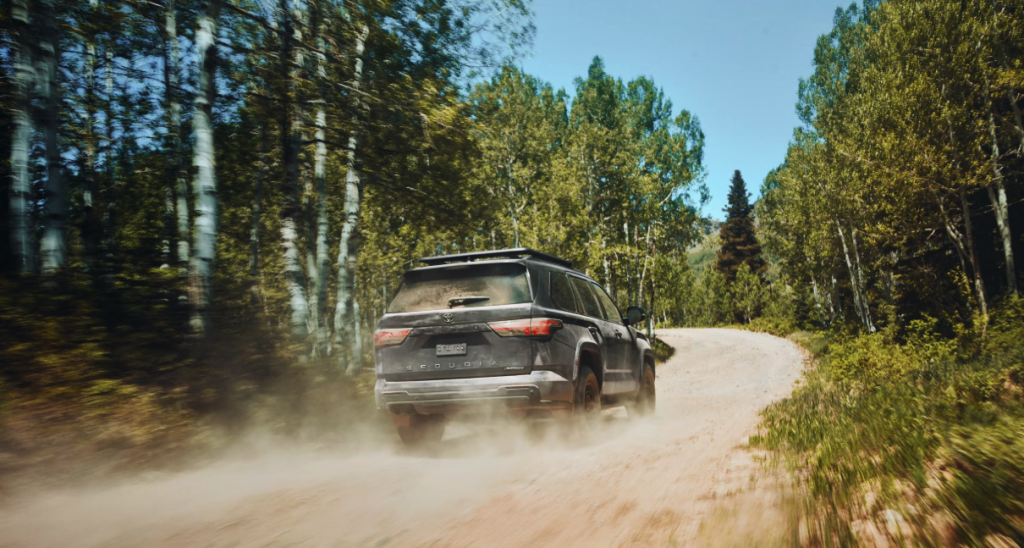
At Panama City Toyota, our rule for this matchup is simple. If your decision starts with trail feel, maneuverability, and a lower entry price, begin with the 4Runner. If your decision starts with family space, premium comfort, and towing margin, begin with the Sequoia. Only after you settle that Toyota-versus-Toyota choice should you branch into outside-brand comparisons. Toyota already gives you two very different truck-based SUV answers here, and that internal clarity is one of the brand’s strengths in 2026.
If you want to compare the 2026 Toyota 4Runner and 2026 Toyota Sequoia the right way, visit Panama City Toyota and put both SUVs into the same real-world shopping session. Our dealership at 959 West 15th Street in Panama City gives you a local place to compare seating layouts, towing fit, off-road trim logic, and overall comfort instead of guessing from online specs alone. Our website also lets you search current inventory, review payment tools, and set up a test drive before you arrive, which makes the visit far more efficient. For a comparison this important, side-by-side seat time matters more than one more national ranking list. That is especially true when the choice comes down to how your family, gear, and lifestyle actually fit each SUV.
If you already know one of these SUVs is on your shortlist, Panama City Toyota’s site gives you the fastest path from research to action. You can browse 2026 inventory, value your trade, apply for financing, and connect with our team while also seeing the service and ownership resources that matter after delivery. Our Certified Service Technicians at Panama City Toyota are also part of that confidence equation, because long-term ownership support matters whether you choose the 4Runner for adventure use or the Sequoia for full-size family duty. The right SUV should fit your life on day one and still feel right after months of use, towing, travel, and routine service. That is why we treat this comparison as a local fit conversation, not just a spec-sheet exercise.
Here are the three questions we suggest answering before you choose:
- How often will you use the third row? Occasional use points toward 4Runner; regular use points toward Sequoia.
- How important is towing margin? If you need more than moderate towing, the Sequoia’s 9,500-pound ceiling changes the math quickly.
- Do you want an adventure-first midsize SUV or a bigger do-everything family SUV? That is the real identity split in this matchup.
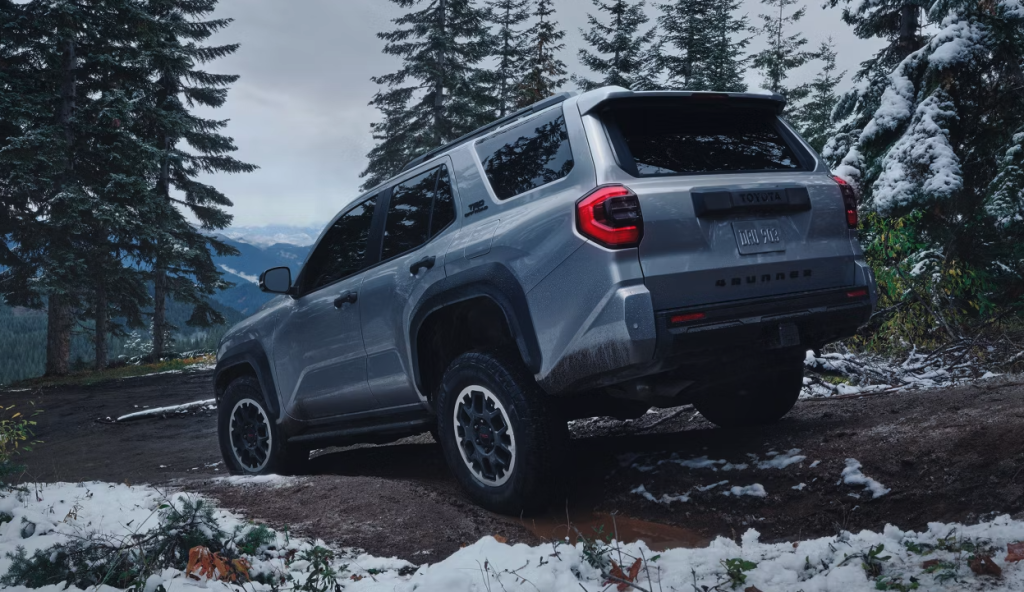
2026 Toyota 4Runner vs Sequoia FAQs
Key Takeaway: Most Panama City shoppers asking about the 2026 4Runner vs Sequoia want help with size, towing, and whether the 4Runner is big enough or the Sequoia is more SUV than they really need.
Is the 2026 Toyota 4Runner or Sequoia better for families?
The better family choice depends on how often you use the third row and how much passenger room you really need. The 2026 4Runner offers available third-row seating for up to seven and works well for families who want more flexibility in a midsize package. The 2026 Sequoia, however, is Toyota’s full-size SUV and seats up to eight with a bench or up to seven with captain’s chairs, making it the stronger answer for larger families or regular multi-row use. At Panama City Toyota, we usually recommend the Sequoia for frequent family-hauling duty and the 4Runner for buyers who need more occasional flexibility.
Which SUV is better for towing near Panama City, the 2026 4Runner or 2026 Sequoia?
The 2026 Sequoia is the stronger towing choice by a wide margin. Toyota says the Sequoia can tow up to 9,500 pounds and uses a standard i-FORCE MAX hybrid powertrain with 437 horsepower and 583 lb-ft of torque. The 2026 4Runner can tow up to 6,000 pounds, which is still strong for a midsize SUV and often enough for moderate trailer needs. At Panama City Toyota, we tell buyers to choose the 4Runner if the towing job is moderate and the smaller footprint matters, and to choose the Sequoia if towing is a major part of ownership.
Is the 2026 Toyota 4Runner TRD Pro better off-road than the 2026 Sequoia TRD Pro?
For many off-road-focused buyers, yes, because the 4Runner TRD Pro is built around a smaller and more trail-centered platform with locking differential hardware, Multi-Terrain Select, and off-road-first trim logic. The Sequoia TRD Pro is still very capable and adds locking differential hardware, Crawl Control, and strong hybrid power, but it also carries the size and mission of a full-size family SUV. At Panama City Toyota, we usually describe the 4Runner TRD Pro as the sharper trail-first pick and the Sequoia TRD Pro as the bigger, broader, more family-capable adventure option.
Visit Panama City Toyota for Your SUV Comparison Test Drive
The 2026 Toyota 4Runner and 2026 Toyota Sequoia are both strong choices, but they are strong in different ways. The 4Runner is the more agile, more adventure-centered midsize SUV with available third-row seating, available i-FORCE MAX power, and a lower entry point. The Sequoia is the full-size answer with standard hybrid muscle, more passenger room, and far greater towing strength. At Panama City Toyota, we can help you compare both SUVs against your real needs so the decision feels obvious, not complicated. Visit us at 959 West 15th Street, Panama City, FL 32401, browse current 2026 inventory on our site, and let our team help you test drive the Toyota SUV that truly fits your Panama City lifestyle.
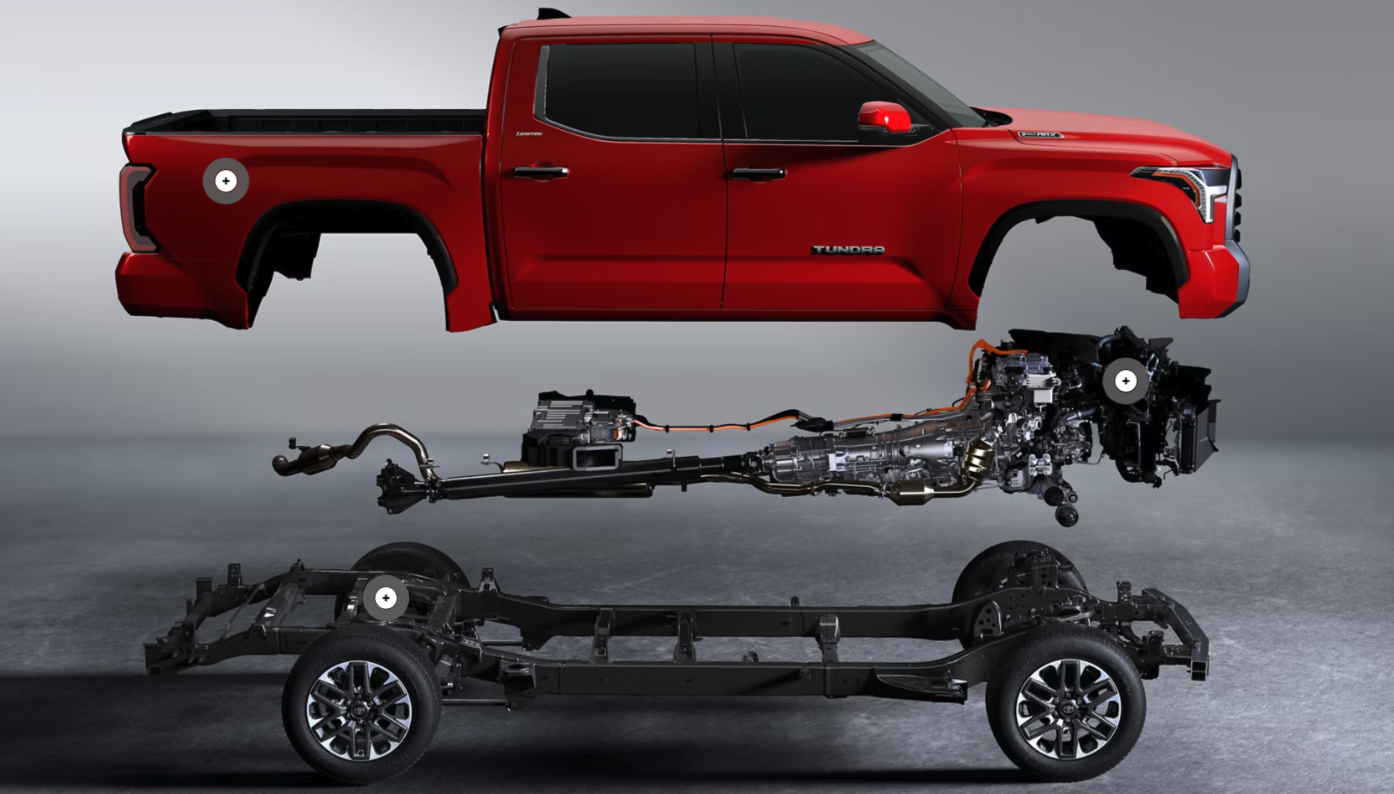
If you want the best 2026 Toyota for towing near Panama City, the first answer is simple: the 2026 Toyota Tundra is the strongest overall choice with up to 12,000 pounds of towing capacity, while the 2026 Toyota Sequoia is the best full-size SUV option at up to 9,500 pounds, the 2026 Toyota Tacoma is the smartest midsize truck balance at up to 6,500 pounds, and the 2026 Toyota 4Runner is the most versatile midsize SUV choice at up to 6,000 pounds. At Panama City Toyota, we recommend matching the vehicle to the trailer, payload, wheelbase needs, family seating needs, and the kind of roads you actually drive around the Gulf Coast instead of simply chasing the biggest number on a spec sheet.
That matters in Panama City because local buyers often tow boats, utility trailers, campers, side-by-sides, and work gear rather than one identical load every weekend. Toyota’s official towing hub confirms the headline capacities for the Tundra, Tacoma, and 4Runner, while the official Sequoia model listing confirms its 9,500-pound maximum and available load-leveling rear height control air suspension. On the local side, Panama City Toyota’s current model research and inventory content already highlights advanced towing technology on the Tacoma, strong towing and hybrid power on the Sequoia, and work-ready capability on the Tundra, which gives us a good foundation for a towing guide built specifically for Panama City shoppers.
Before we get into the detailed comparisons, here is the quickest way we frame the 2026 Toyota towing lineup for Panama City buyers:
- Choose the 2026 Tundra if your towing needs are heaviest, your trailer is full-size, or you want the most headroom for future upgrades.
- Choose the 2026 Tacoma if you want strong midsize towing, easier maneuverability, and advanced trailer-assist tech in a smaller footprint.
- Choose the 2026 4Runner or Sequoia if you need enclosed cargo, SUV seating flexibility, and towing that still supports family use.
Table of Contents
- 2026 Tacoma and Tundra Towing Capacity Compared
1.1 Tacoma Towing Hardware, Payload Logic, and Midsize Advantage
1.2 Tundra Power, Frame Strategy, and Heavy-Duty Towing Confidence
1.3 Tacoma vs Tundra Technical Comparison Table - Beyond Towing Specs: Finding the Best Truck for Your Daily Needs
- 2026 4Runner and Sequoia: SUV Towing for Boats and Trailers
2.1 4Runner Tow Technology, i-FORCE MAX Options, and Trail Versatility
2.2 Sequoia Hybrid Power, Load-Leveling Support, and Full-Size Family Utility
2.3 SUV Towing Comparison Tables - Find Your Tow-Ready Toyota at Panama City Toyota
3.1 How We Match Panama City Drivers to the Right Tow Vehicle - Best 2026 Toyota Towing FAQs
2026 Tacoma and Tundra Towing Capacity Compared
Key Takeaway: If your towing decision starts with trucks, the 2026 Tacoma is the smarter midsize choice for balanced daily use and trailer tech, while the 2026 Tundra is the clear answer for the highest tow ratings, heavier trailers, and maximum future towing headroom.
Toyota’s official towing hub puts the truck conversation in sharp focus. The 2026 Tacoma can tow up to 6,500 pounds, while the 2026 Tundra can tow up to 12,000 pounds. That is a major gap, and it matters. But at Panama City Toyota, we do not think this is a simple “bigger is always better” decision. A midsize truck that fits your trailer, parking habits, fuel priorities, and weekend routine can be the better long-term choice than a full-size truck that adds more capacity than you will ever use. At the same time, if you are towing a larger boat, enclosed trailer, or heavier work equipment with regularity, the Tundra’s extra rating, broader size, and stronger full-size truck posture can make it the far better answer.
The other reason this comparison matters is that Toyota gives each truck a distinct towing personality. The Tacoma uses a newer midsize formula built on the TNGA-F truck platform with available advanced towing technology like Trailer Backup Guide with Straight Path Assist, an integrated brake controller, and Blind Spot Monitor logic that extends detection when a trailer is identified. Toyota also says the Tacoma can be configured with a standard i-FORCE 2.4-liter turbocharged engine or the available i-FORCE MAX hybrid powertrain with up to 326 horsepower and 465 lb-ft of torque. That lets it cover a wide range of buyers, from practical midsize shoppers to people who want serious torque in a more maneuverable package.
The Tundra approaches towing from a more traditional heavy-duty standpoint. Toyota’s towing hub gives it a 12,000-pound max rating, and Toyota’s 2026 Tundra materials emphasize that the truck’s powertrain, frame, and suspension are designed to work together for confident hauling. Toyota’s 2026 Tundra updates also add a tow hitch and 7/4-pin connector as standard equipment across all models, including SR, which is a meaningful usability upgrade for towing shoppers who do not want to chase basic hardware after the fact. Panama City Toyota’s local Tundra content also highlights available integrated trailer brake control and advanced towing technology for demanding jobs.
Tacoma Towing Hardware, Payload Logic, and Midsize Advantage
The 2026 Tacoma is the truck we recommend most often for Panama City shoppers who tow moderate loads but still want a truck that feels manageable every day. Toyota says the Tacoma can tow up to 6,500 pounds, and the 2026 Toyota Tacoma newsroom release adds that it can carry a payload of up to 1,705 pounds. Those two numbers together matter more than many shoppers realize. Towing capacity gets the headlines, but payload often determines how practical a specific setup will be once you factor in passengers, gear in the bed, hitch weight, and accessories. This is one of the biggest content gaps in most towing guides. They give you the max tow figure and skip the real-world weight balance conversation. At Panama City Toyota, we think buyers deserve both pieces of the puzzle.
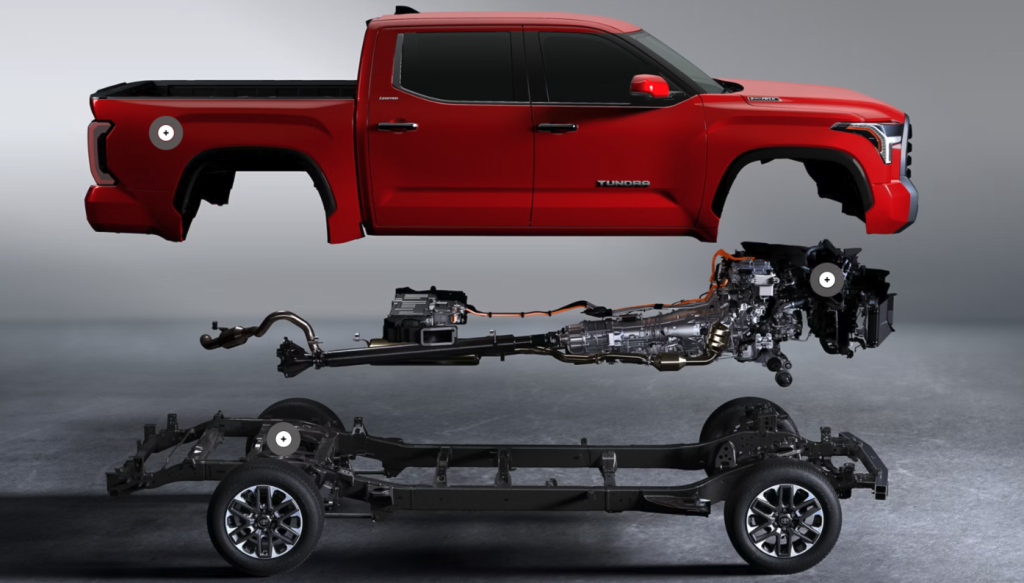
Toyota also gives the Tacoma some of the most useful trailer tech in this size class. The official Tacoma site says available towing technology includes Trailer Backup Guide with Straight Path Assist, an integrated brake controller, and Blind Spot Monitor support that extends the detection area when the truck identifies a trailer being towed. Those systems are not just marketing filler. For a buyer backing down a launch ramp, moving a trailer in a crowded lot, or pulling onto busy roads near Panama City, they can lower stress and shorten the learning curve. Toyota’s local Tacoma research content at Panama City Toyota mirrors that same message and reinforces that this truck is designed to tow with confidence, not just to post a big number.
The other reason the Tacoma deserves a serious look is packaging. A midsize truck is easier to park, easier to place on narrower roads, and often easier to live with when towing is important but not the only mission. Toyota says the Tacoma is available in Double Cab with a 5-foot bed or XtraCab with a 6-foot bed, which gives buyers useful flexibility depending on whether they prioritize second-row space or bed length. At Panama City Toyota, we usually point midsize truck shoppers toward the Tacoma when they tow center-console boats, light campers, utility trailers, personal watercraft, or weekend toys and still want a vehicle that feels less bulky during the rest of the week. The fact that Toyota now makes a tow hitch standard on SR XtraCab models for 2026 only strengthens that value story.
Tundra Power, Frame Strategy, and Heavy-Duty Towing Confidence
If the Tacoma is the versatile midsize answer, the 2026 Tundra is the truck for buyers who do not want to flirt with the limits. Toyota’s official towing hub states that the Tundra can tow up to 12,000 pounds, and the brand also says Trailer-Sway Control is standard. That is the kind of headline that immediately places the Tundra in a different conversation from the Tacoma. For larger boats, bigger enclosed trailers, and buyers who expect to tow regularly on longer highway runs, that extra capacity gives the driver more breathing room, more equipment compatibility, and often a calmer towing experience.
Toyota’s 2026 Tundra content also highlights the available i-FORCE MAX hybrid powertrain, which Panama City Toyota’s Tundra research material says produces 437 horsepower and 583 lb-ft of torque. Those torque numbers matter because towing is not only about the top rating. It is also about how confidently the truck gets a load moving, how it responds at low and mid-range speeds, and how stable it feels during passing, merging, and grade changes. Toyota’s 2026 Tundra newsroom release adds a practical detail that many truck buyers will appreciate: for 2026, all Tundra models now get a 32.2-gallon fuel tank plus a standard tow hitch and 7/4-pin connector, which reduces the number of entry-level compromises a towing buyer has to work around.
At Panama City Toyota, we also think the Tundra’s size is part of the value. Buyers often focus on whether they can physically tow a trailer with a midsize truck, but the better question is whether they want to. If you tow frequently, a wider, heavier full-size truck with more power reserve, a longer-feeling stance, and more built-in heavy-duty confidence can feel less tiring over time. This is especially relevant for Gulf Coast buyers towing boats to ramps, hauling equipment across the region, or pulling travel trailers on longer road trips where stability and margin matter. For those buyers, the Tundra is not overkill. It is the right tool.
Tacoma vs Tundra Technical Comparison Table
| Truck | Max Towing Capacity | Max Payload | Core Powertrain Notes | Towing Tech Highlights | Best Use Case |
| 2026 Toyota Tacoma | Up to 6,500 lbs | Up to 1,705 lbs | Standard i-FORCE 2.4L turbo; available i-FORCE MAX hybrid with up to 326 hp and 465 lb-ft | Available Trailer Backup Guide, integrated brake controller, trailer-aware Blind Spot Monitor | Mid-size boat, utility trailer, lighter camper, daily-use truck |
| 2026 Toyota Tundra | Up to 12,000 lbs | Varies by configuration | Twin-turbo V6 lineup; available i-FORCE MAX hybrid with 437 hp and 583 lb-ft | Standard Trailer-Sway Control; standard tow hitch and 7/4-pin connector for 2026 | Heavier trailers, larger boats, work equipment, long-distance towing |

Beyond Towing Specs: Finding the Best Truck for Your Daily Needs
| Buyer Question | Better Answer | Why |
| I tow often and want the highest capacity | Tundra | It gives you far more headroom and a more relaxed full-size towing stance. |
| I tow moderate loads and still want easy daily driving | Tacoma | It balances useful towing with easier parking, maneuvering, and ownership simplicity. |
| I want the most advanced midsize trailer-assist tech | Tacoma | Toyota highlights Trailer Backup Guide, integrated brake controller, and trailer-aware BSM. |
| I want the best margin for heavier future upgrades | Tundra | The 12,000-pound ceiling makes room for moving up in trailer size later. |
2026 4Runner and Sequoia: SUV Towing for Boats and Trailers
Key Takeaway: If you need SUV comfort and enclosed cargo, the 2026 4Runner is the rugged midsize choice for moderate towing and trail use, while the 2026 Sequoia is the full-size family tow rig with the highest SUV capability in the Toyota lineup.
Toyota’s SUV towing story is stronger than many buyers expect. The official towing hub says the 2026 4Runner can tow up to 6,000 pounds, while Toyota’s official Sequoia content says the 2026 Sequoia can tow up to 9,500 pounds and pairs that capacity with its i-FORCE MAX hybrid powertrain and available load-leveling rear height control air suspension. At Panama City Toyota, that creates a very useful split. The 4Runner is for buyers who want an enclosed SUV with trail-ready character and moderate trailer capability. The Sequoia is for buyers who need three-row flexibility, stronger towing, and full-size family comfort without giving up serious trailer confidence.
There is another reason these SUVs deserve a serious towing discussion. A lot of shoppers still assume “truck equals towing, SUV equals family” and stop there. That is too shallow for 2026 Toyota shopping. Toyota gives the 4Runner real towing tech and a strong truck-based foundation, while the Sequoia takes a hybrid full-size SUV formula and blends big torque with advanced utility. For many Panama City buyers, the decision is not “Can an SUV tow?” The real decision is whether they need open-bed truck utility or whether enclosed cargo, passenger comfort, and weather protection matter more. Around the Gulf Coast, where people often tow gear and also bring along family, coolers, beach equipment, or pets, that distinction is important.
This is also where competitor content often goes thin. Many comparison pieces list 4Runner and Sequoia tow ratings, then jump straight to seating and price. They skip the more interesting question of how tow technology, rear suspension support, hybrid torque delivery, cargo security, and everyday drivability influence the right choice. At Panama City Toyota, we think that missing middle is exactly where most buyers need the most help.
4Runner Tow Technology, i-FORCE MAX Options, and Trail Versatility
The 2026 4Runner is the SUV we recommend when a buyer wants real towing capacity without giving up off-road posture and midsize usability. Toyota’s towing hub lists a max towing capacity of 6,000 pounds, and Toyota’s official 4Runner site says the model offers an available Tow Technology Package to take your towing game to the next level. Toyota’s 2026 4Runner materials also confirm that some versions use the available i-FORCE MAX hybrid system with up to 326 net combined horsepower, which gives this SUV a very different character than older 4Runner generations. It is still unmistakably a 4Runner, but it now offers more power, more tech, and a broader range of roles.

The 4Runner’s towing appeal is not just about the number. It is about the way the vehicle fits buyers who need a sealed cabin, rugged road manners, and the ability to handle towing plus trail or outdoor duty. Toyota’s earlier next-generation 4Runner materials state that a Tow/Haul setting is available on most grades and standard on all i-FORCE MAX grades, enhancing throttle response and transmission behavior while towing. That tells you Toyota was thinking about loaded drivability, not just brochure math. Panama City Toyota’s local 4Runner model content also emphasizes tow tech and advanced trail-focused features like Multi-Terrain Monitor, which makes the 4Runner feel purpose-built for the buyer who wants one SUV to do more than one job.
At Panama City Toyota, we usually steer buyers toward the 4Runner if their trailer needs stay below full-size SUV territory and they care about trail capability, easier parking, and a more compact footprint than the Sequoia. It makes a lot of sense for moderate-size boats, small campers, utility trailers, and active buyers who also want a vehicle that feels ready for rougher roads or outdoor weekends. It is not the strongest tow rig in the Toyota SUV family, but it may be the most flexible for a specific kind of Panama City lifestyle where towing is important, yet not the only mission.
Sequoia Hybrid Power, Load-Leveling Support, and Full-Size Family Utility
If the 4Runner is the versatile midsize SUV answer, the 2026 Sequoia is the family-sized towing specialist. Toyota’s official Sequoia listing states that it uses the i-FORCE MAX hybrid engine with 437 horsepower and 583 lb-ft of torque, and Toyota also says buyers can take advantage of available load-leveling rear height control air suspension plus a max towing capability of up to 9,500 pounds. The official Sequoia e-brochure goes even further by calling out the Integrated Trailer Brake Controller and additional tow-enhancing features. That is serious capability for a three-row SUV.
From Panama City Toyota’s point of view, the Sequoia wins because it solves a hard problem well: how to tow confidently without forcing a family to move into a pickup. Our local Sequoia content highlights second-row bench seating for up to eight passengers or available captain’s chairs for seven, while still stressing the hybrid powertrain’s towing-ready torque. That matters for buyers who tow a larger boat, camper, or trailer but still need a comfortable, enclosed cabin for family travel, school runs, regional road trips, or daily use. The Sequoia gives those customers a real alternative to a truck, not a compromise.
The Sequoia also stands out because its towing story is not based on a base-engine caveat. Toyota ties the model’s capability directly to the i-FORCE MAX hybrid system, which means buyers get a full-size SUV with serious torque, strong towing support, and a modern hybrid powertrain as part of the package. At Panama City Toyota, we recommend the Sequoia most often to boat owners, larger families, and buyers who want to tow heavier loads than a midsize SUV comfortably should, but still want premium seating, enclosed storage, and easier family duty than a pickup can offer. It is the strongest SUV tow recommendation in the Toyota lineup for 2026.
SUV Towing Comparison Tables
Panama City Towing Guide: Midsize vs. Full-Size SUV Comparison
| SUV | Max Towing Capacity | Powertrain Highlights | Towing Hardware / Tech | Seating / Utility Angle | Best Use Case |
| 2026 Toyota 4Runner | Up to 6,000 lbs | Available i-FORCE MAX with up to 326 net combined hp | Available Tow Technology Package; Tow/Haul logic referenced in Toyota materials | Mid-size SUV packaging, rugged utility, enclosed cargo | Moderate-size boat, utility trailer, active outdoor use |
| 2026 Toyota Sequoia | Up to 9,500 lbs | Standard i-FORCE MAX hybrid with 437 hp and 583 lb-ft | Integrated Trailer Brake Controller; available load-leveling rear air suspension | Three-row full-size SUV, up to eight passengers | Larger boat, larger camper, family towing, long-trip comfort |

2026 Toyota Towing Capacity Chart: Tundra, Sequoia, Tacoma & 4Runner
| Model | Vehicle Type | Max Towing | Local Buyer Fit |
| Tacoma | Midsize truck | 6,500 lbs | Buyers who want truck utility, advanced trailer tech, and easy daily livability |
| Tundra | Full-size truck | 12,000 lbs | Buyers towing heavier trailers, larger boats, or work equipment regularly |
| 4Runner | Midsize SUV | 6,000 lbs | Buyers who want enclosed cargo, trail-ready utility, and moderate towing |
| Sequoia | Full-size SUV | 9,500 lbs | Families who tow heavier loads but still want three-row SUV comfort |
Quick Guide: Common Gulf Coast Trailer Towing Scenarios

| Trailer / Use Case | Best Toyota Match | Why |
| Personal watercraft or lighter utility trailer | Tacoma or 4Runner | Both offer useful moderate towing without moving to full-size dimensions. |
| Mid-size bay boat | Tacoma, 4Runner, or Sequoia depending on loaded weight | The right answer depends on total trailer weight, passengers, and gear. |
| Larger boat or heavier enclosed trailer | Tundra or Sequoia | Both provide stronger tow ceilings and more confidence with heavier loads. |
| Travel trailer with room for growth later | Tundra | Best headroom for future trailer upgrades and high-frequency towing. |
Find Your Tow-Ready Toyota at Panama City Toyota
Key Takeaway: The best tow vehicle for Panama City drivers is the one that matches real trailer weight, payload, passenger count, and local use patterns, and that is exactly where Panama City Toyota can add value beyond a spec sheet.
Panama City Toyota’s sitemap confirms the dealership already offers strong internal destinations for new Toyota inventory, Schedule Test Drive, Apply for Financing, Payment Calculator, ToyotaCare, Service Appointment, Hours & Directions, Contact Us, and About Us. That matters because towing buyers rarely need just one answer. They usually need a combination of inventory review, trade appraisal, finance planning, and service support after the sale. Our site also shows 2026 model research entries for the Tundra, Sequoia, Tacoma, and 4Runner in the virtual showroom, so Panama City shoppers can start comparing before they visit.
At Panama City Toyota, we recommend thinking about towing in three steps. First, identify the actual trailer weight you expect to tow most often, not only the heaviest number you can imagine. Second, account for payload, because passengers, coolers, tools, and hitch weight can shift the smart choice fast. Third, decide whether you truly need truck-bed utility or whether an enclosed SUV is a better match for your family and routine. That is the missing link in most towing content, and it is where a local dealership conversation becomes more useful than one more generic list on the internet.
How We Match Panama City Drivers to the Right Tow Vehicle
For a Panama City buyer who launches a boat, pulls a utility trailer for work, or heads out with camping gear on weekends, the right answer is rarely just “the biggest one.” It is the one that fits the full job. If the trailer is moderate and daily drivability matters, the Tacoma often lands in the sweet spot. If the trailer is substantial and towing will be frequent, the Tundra is usually the safer long-term recommendation. If you want an SUV that can still handle real towing, the 4Runner makes sense for mid-level needs and rugged versatility, while the Sequoia is the strongest full-size family tow solution in the lineup.
That local conversation matters even more because Panama City conditions are specific. Gulf Coast buyers deal with humid weather, launch ramps, highway runs, changing passenger loads, and a mix of daily commuting and weekend recreation. A buyer towing occasionally to the bay may not need the same truck as a buyer hauling work equipment across the region or pulling a larger travel trailer for repeated road trips. At Panama City Toyota, our role is to translate the spec sheets into a vehicle recommendation that feels right six months after purchase, not just in the first five minutes.
If towing is already on your must-have list, visiting Panama City Toyota is the fastest way to turn broad research into a smart purchase decision. Our website lets you review current new Toyota inventory, compare finance options, estimate payments, and schedule a test drive before you arrive, which helps you focus on the trucks and SUVs that actually fit your trailer and your budget. Our dealership is located at 959 West 15th Street in Panama City, and our online tools make it easier to show up prepared with the right questions about tow ratings, trim availability, and trade value. We would always rather help you compare the right Tacoma, Tundra, 4Runner, and Sequoia side by side than have you guess based on one headline number. That kind of local guidance is one of the biggest advantages of shopping with Panama City Toyota instead of relying only on broad national advice.
If you want to narrow the field before your visit, Panama City Toyota’s website is built for that step too. You can search current inventory, browse model research, review offers, and connect with our sales team while also seeing service and ownership resources that matter after the sale. That is especially valuable for towing buyers because ownership does not end at delivery. Routine maintenance, brake checks, alignment work, tire support, and general service planning all matter more when a vehicle is regularly asked to tow. Our certified service support and ToyotaCare access help make that part of ownership more manageable, which is exactly why we include it in the recommendation conversation from the start.
For quick reference, here are the three questions we suggest every Panama City towing buyer answer before choosing a model:
- How heavy is the trailer once fuel, gear, water, and accessories are included? This is the number that matters, not the dry number.
- How many passengers and how much cargo will be in the vehicle while towing? Payload can change the right answer quickly.
- Do you need a truck bed, or would enclosed SUV space make daily life easier? That question often decides Tacoma versus 4Runner and Tundra versus Sequoia.
Best 2026 Toyota Towing FAQs
Key Takeaway: Most Panama City towing questions boil down to which model has the right capacity, which one feels easiest to live with, and whether an SUV can replace a truck for your towing needs.
Which 2026 Toyota is best for towing a boat near Panama City, FL?
The best answer depends on the size and loaded weight of the boat and trailer. At Panama City Toyota, we usually point midsize boat owners toward the Tacoma or 4Runner if the combined weight fits comfortably within their limits and daily drivability matters. For larger boats, the Tundra is the strongest overall choice with up to 12,000 pounds of towing, while the Sequoia is the best SUV answer with up to 9,500 pounds. We always recommend checking total loaded trailer weight, hitch weight, passengers, and cargo before choosing a model.
Is the 2026 Toyota Sequoia or 4Runner better for family towing?
For heavier family towing, the 2026 Sequoia is usually the better answer because it offers up to 9,500 pounds of towing, standard i-FORCE MAX hybrid power, and full-size three-row utility with seating for up to seven or eight depending on configuration. The 2026 4Runner is still an excellent option if your trailer is lighter and you want a more maneuverable midsize SUV with strong utility and available tow-focused technology. At Panama City Toyota, we usually recommend the 4Runner for moderate loads and the Sequoia for bigger trailers and larger families.
What matters more than the max towing number when buying a 2026 Toyota?
The max towing number matters, but it is not the whole story. Payload, trailer tongue weight, passenger count, cargo in the vehicle, tow technology, and the type of trailer you plan to pull can all change which Toyota is the right fit. A Tacoma may be perfect for a lighter trailer and daily driving, while a Tundra may be the smarter buy for larger, more frequent towing. The same logic applies to the 4Runner and Sequoia on the SUV side. At Panama City Toyota, we always recommend matching the real use case, not just the brochure headline.
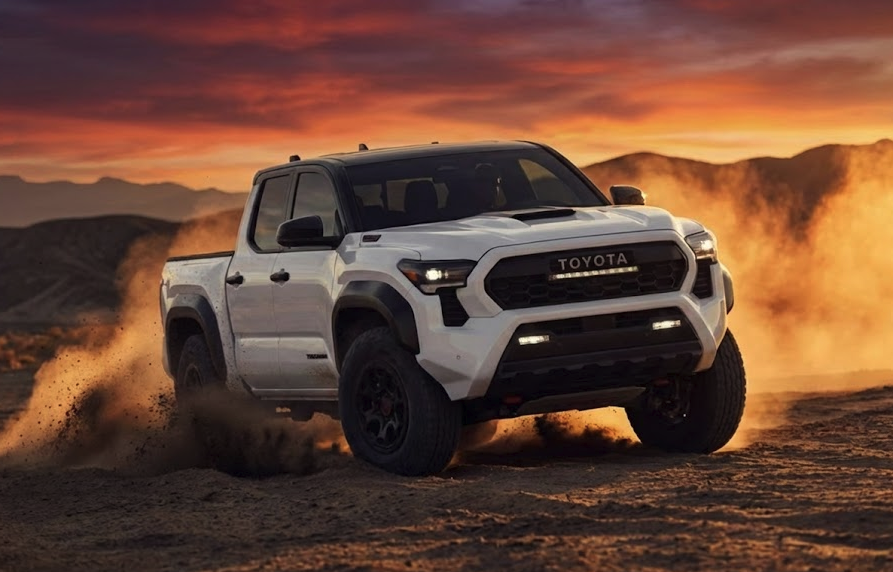
Visit Panama City Toyota for Your Tow-Ready Toyota
The best 2026 Toyota for towing near Panama City is not one universal answer, and that is exactly why this comparison matters. The Tundra is the top truck for heavy towing, the Tacoma is the best midsize truck balance, the Sequoia is the strongest SUV tow option, and the 4Runner is the smart midsize SUV choice for moderate towing and rugged versatility. At Panama City Toyota, we are ready to help you compare those models against your real trailer weight, your passenger needs, and your daily routine so you can buy with confidence instead of guesswork. Visit us at 959 West 15th Street, Panama City, FL 32401, review inventory and offers on our website, and let our team help you choose the Toyota that is truly ready for your next boat, trailer, or weekend plan.
If you are shopping for a true sports car near Panama City, the 2026 Toyota GR Supra deserves a serious look. At Panama City Toyota, we see this coupe as the sharpest performance statement in the current Toyota lineup because it pairs a 382-horsepower turbocharged inline-six with rear-wheel drive, a low center of gravity, available manual or automatic transmissions, and a chassis that Toyota continues to refine through motorsports-driven development.
For 2026, Toyota also gives the GR Supra a major halo story with the MkV Final Edition, a limited send-off that adds upgraded braking, retuned suspension, extra chassis rigidity, and unique aerodynamic details.
At Panama City Toyota, we also think the GR Supra fills an important role inside the Toyota family. If the GR86 is the affordable entry into Toyota performance and the GR Corolla is the practical hot hatch, the 2026 GR Supra is the more premium, more muscular, more focused sports car for drivers who want strong straight-line speed, sharper highway passing power, and a more planted high-speed feel. Toyota’s 2026 positioning reinforces that status by presenting the GR Supra as a two-seat flagship sports coupe shaped by GAZOO Racing development and continuous annual refinement.
Here are the three biggest reasons Panama City drivers keep the 2026 GR Supra on the shortlist:
- A 3.0-liter turbocharged inline-six makes 382 horsepower and 368 lb-ft of torque across the lineup, giving the car serious pace no matter which trim you choose.
- Every 2026 GR Supra uses rear-wheel drive, performance Michelin Pilot Super Sport tires, and sport-focused suspension hardware, so the car is built around handling balance instead of simply headline power.
- The MkV Final Edition adds meaningful engineering upgrades, not just appearance pieces, including larger Brembo brake discs, revised camber, stiffer bushings, added bracing, retuned steering, and improved aero balance.
Table of Contents
- Twin-Turbo Inline-Six Engine and Rear-Wheel-Drive Dynamics
- Turbocharged Inline-Six Response, Transmission Choice, and Real Performance
- Suspension Geometry, Steering-Logic, and Why the GR Supra Feels Balanced
- MkV Final Edition Engineering Upgrades
- Cockpit Design, Technology, and Driver-Focused Value
- Cockpit Design, 8.8 Inch Touchscreen, and Driver Centered Technology
- Here is where each GR Supra trim tends to make the most sense for buyers
- GR Supra 3.0 vs 3.0 Premium vs MkV Final Edition
- Detailed Technical 2026 GR Supra Trim Table
- Local Ownership, Gulf Coast Lifestyle, and Panama City Toyota Authority
- 2026 Toyota GR Supra FAQs in Panama City
Twin-Turbo Inline-Six Engine and Rear-Wheel-Drive Dynamics
Key Takeaway: The 2026 Toyota GR Supra earns its reputation because its straight-six power, rear-wheel-drive layout, adaptive chassis tuning, and track-developed calibration work together as one system, not as isolated specs.
When we talk with performance shoppers at Panama City Toyota, the first question is usually about horsepower. That matters, but the real answer is broader: the 2026 GR Supra feels special because Toyota has kept refining the entire driving package year after year. Official Toyota materials say every 2026 GR Supra grade uses a turbocharged inline-six that produces 382 horsepower and 368 lb-ft of torque, and every model sends that output through a rear-wheel-drive platform with a double-joint-type MacPherson front suspension and multi-link independent rear suspension. Toyota also confirms that all grades can be ordered with either a manual or automatic transmission, which is a big deal in a market where many quick coupes no longer give buyers a real choice in how they interact with the car.
Turbocharged Inline-Six Response, Transmission Choice, and Real Performance
The GR Supra’s 3.0-liter turbocharged inline-six is the heart of the experience, and one reason it stands out so clearly in Panama City Toyota’s lineup. Toyota says the engine delivers its 382 horsepower and 368 lb-ft of torque across the 2026 range, and in the official MkV Final Edition press materials the company cites 0 to 60 mph in 3.9 seconds with the 8-speed automatic and 4.2 seconds with the manual. Those are serious numbers, but more importantly, they hint at the character of the engine. This is not a peaky, fragile-feeling sports car motor that only comes alive in a narrow band. It is a strong, broad-torque straight-six that gives you meaningful acceleration when you lean into the throttle at highway speeds, when you roll through a corner exit, and when you want the car to feel calm in normal commuting before waking up in Sport mode.
Toyota’s own language around the manual transmission is revealing. The company says the Intelligent Manual Transmission uses software programmed to prioritize sporty performance, optimizing engine torque at clutch engagement during upshifts and adding rev-matching logic on downshifts. That means the manual is not just present for nostalgia value. It is built to support cleaner, more consistent inputs for drivers who want to be more involved in the car’s behavior. Meanwhile, the automatic keeps the car brutally effective and very easy to use in traffic or on longer drives. At Panama City Toyota, that gives us a simple way to frame the choice for customers: go automatic if you want maximum convenience and quickest published acceleration, or go manual if your idea of a sports car includes the satisfaction of choosing your own gear and managing weight transfer yourself.
Suspension Geometry, Steering Logic, and Why the GR Supra Feels Balanced
A great sports car is not defined by engine output alone, and the 2026 GR Supra proves that point. Toyota says the car uses a double-joint-type MacPherson front suspension and a multi-link independent rear suspension, along with sport-calibrated electric power steering and Michelin Pilot Super Sport tires on all models. That is the kind of spec set that tells experienced buyers the car is designed around front-end bite, clear steering response, and rear-end balance. The GR Supra is not trying to be a luxury grand tourer first. It is trying to feel alert, compact, and tied down.
Toyota’s adaptive chassis story is also more important than it may look on a brochure. The company says all grades include Adaptive Variable Suspension with sensors that detect changes in driving operations and road conditions, then adjust damping force through solenoid-valve control of the shock absorbers. In Normal mode, Toyota says the system aims for a balance between stability and ride comfort. In Sport mode, the goal shifts toward reduced body roll and sharper steering response. In plain language, that means the GR Supra is engineered to behave like two related cars: composed enough for daily use, but far more aggressive when the road opens up and the driver wants more precision. That split personality is part of what makes the GR Supra viable in a real Florida ownership cycle rather than only on a track day.
This is also where the rear-wheel-drive layout matters. Rear-wheel drive lets the front tires focus more on turn-in and steering work while the rear axle handles the job of putting down power. Combined with the car’s two-seat coupe proportions, the result is a chassis that tends to feel more natural and more adjustable than many all-wheel-drive performance coupes or front-biased sporty cars. For drivers around Panama City, that can mean a car that feels small and eager on back roads yet still planted on faster open stretches. It also means driver inputs matter more. The GR Supra rewards clean throttle application, thoughtful braking, and confident steering, which is exactly what a true sports car should do.
MkV Final Edition Engineering Upgrades
The MkV Final Edition deserves more than a quick mention because Toyota did more here than add badges and exclusive colors. Official Toyota materials say the Final Edition gets refined differential control maps to improve traction and reduce understeer, larger Brembo brake discs for better braking control, revised front and rear camber angles for stronger cornering stability, updated electronically controlled shocks, a stronger front stabilizer, stronger bushings and rear sub-frame mounts, and a stronger under-body brace. Toyota also says the car receives aerodynamic changes such as a ducktail carbon-fiber rear spoiler, front wheel arch flaps, and higher front tire spats to improve front-to-rear aero balance and downforce.
That matters because the best sports cars are often transformed by small calibration changes rather than giant power jumps. In fact, several mainstream review outlets emphasize that the 2026 Final Edition is compelling precisely because the chassis refinements make the car feel tighter, more communicative, and more focused, even though the horsepower figure stays the same. This is one of the biggest content gaps in the current search results. Many stories mention the 382-horsepower number first because it is easy headline material, but the truly important update for an experienced driver is the way Toyota sharpened braking feel, body control, cornering confidence, and steering precision.
There is also a second missing angle worth calling out. A lot of Final Edition coverage treats the car as a future collectible before explaining why it is a better driver’s car right now. At Panama City Toyota, we think the smarter reading is the opposite. The exclusivity matters, and Toyota says the MkV Final Edition is limited to 1,300 units across North America, but the stronger story is that it represents the most integrated and most mature version of the current GR Supra formula. If a Panama City buyer wants the sharpest factory expression of this generation, the Final Edition is compelling because of how it drives first and because of its rarity second. That is a more useful way to shop the car, especially for enthusiasts who plan to use it instead of just storing it.
Cockpit Design, Technology, and Driver-Focused Value
Key Takeaway: The 2026 Toyota GR Supra balances serious driver focus with enough premium technology and trim differentiation to make the 3.0, 3.0 Premium, and MkV Final Edition feel meaningfully distinct.
At Panama City Toyota, we think the 2026 GR Supra interior succeeds because it avoids the trap of trying to look flashy at the expense of function. Toyota describes the cabin as a refined cockpit with a minimalist layout that prioritizes functionality and comfort, and that summary fits. This is not a giant-screen luxury coupe built to impress from the passenger seat. It is a tightly packaged sports car that keeps the driver at the center of the experience, then layers in the right amount of comfort, audio quality, and display technology depending on trim. Toyota’s official materials also confirm that all 2026 GR Supra models get an 8.8-inch touchscreen and rotary touch controller.
Cockpit Design, 8.8-Inch Touchscreen, and Driver-Centered Technology
Toyota’s official 2026 GR Supra press materials say all grades come equipped with an 8.8-inch touchscreen display that can also be controlled through a rotary touch controller. That dual-input approach is a small but important detail because it lets the driver operate infotainment with less reach and less distraction. Panama City Toyota also highlights the digital display theme by describing the 8.8-inch high-resolution display in the gauge pod and the three-dimensional tachometer that shows engine speed, gear selection, and other customizable information. Together, those features reinforce the GR Supra’s core identity: this cockpit is built around fast, relevant information rather than dashboard theater.
Trim content matters here as well. Toyota says the 3.0 grade gets a 205-watt 10-speaker audio system as standard, while the 3.0 Premium receives a 12-speaker 500-watt JBL Premium Audio System. The company also says Supra Connect comes standard on the 3.0 Premium, and wireless Qi charging is standard on manual 3.0 models, 3.0 Premium grades, and the MkV Final Edition. Wireless Apple CarPlay compatibility is available on the 3.0 and standard on the 3.0 Premium, while the 3.0 Premium also includes a Head-Up Display that shows speed, warnings, and turn-by-turn navigation in the driver’s line of sight. Those are exactly the kinds of upgrades that move a sports car from purely fun weekend toy to something that feels more complete in everyday use.
From a value perspective, the Supra’s technology mix also makes more sense when you compare it to how Toyota positions the car against rivals. Toyota’s official GR Supra compare tool currently matches the 2026 GR Supra 3.0 against the 2026 Chevrolet Corvette Stingray Coupe 1LT and the 2025 Nissan Z Sport 9AT. That tells you where Toyota thinks the car belongs: not in a soft premium coupe conversation, but in the real sports-car arena. Our view at Panama City Toyota is that the GR Supra’s infotainment and cabin design work because they stay secondary to the drive itself. You get the needed technology, but the car never loses its focused personality.
Here is where each GR Supra trim tends to make the most sense for buyers:
- GR Supra 3.0: best for drivers who want the core engine, core chassis, and the best value entry into the inline-six Supra formula.
- GR Supra 3.0 Premium: best for buyers who want the richer daily-driver mix of HUD, JBL audio, Supra Connect, and more premium seating choices.
- GR Supra MkV Final Edition: best for enthusiasts who want the sharpest chassis tuning, exclusive styling, and the most complete final expression of the current generation.
GR Supra 3.0 vs 3.0 Premium vs MkV Final Edition
At Panama City Toyota, this is the comparison we would always make first because Toyota-versus-Toyota analysis is the most useful way to narrow the right sports car grade. The standard GR Supra 3.0 gives you the essential experience: the 382-horsepower turbo inline-six, rear-wheel drive, performance suspension architecture, heated seats, and the 8.8-inch touchscreen. Toyota says the 3.0 grade uses black soft-touch Alcantara and leather-trimmed sport seats with power adjustment, and it can be upgraded with a Safety & Technology Package Plus JBL bundle that adds the 12-speaker JBL Premium Audio System, navigation, wireless Apple CarPlay, additional driver-assist features, and Supra Connect. That makes the base car stronger than the word “base” suggests.
The 3.0 Premium is where the GR Supra starts to feel more rounded for buyers who will drive the car often, not just occasionally. Toyota says the 3.0 Premium brings power-adjustable seats with either black leather or hazelnut-colored leather trim, plus standard Supra Connect, the 12-speaker JBL system, wireless Apple CarPlay, and a Head-Up Display. If the regular 3.0 is the purist play, the 3.0 Premium is the sweet spot for many Panama City shoppers because it keeps the same core performance character while elevating everyday usability and cabin richness. For a buyer commuting during the week and driving for fun on the weekend, that added convenience can be worth the step up.
Then there is the MkV Final Edition. Toyota says it sits at the top of the 2026 range and adds exclusive interior touches such as black Alcantara and leather trim with red accents, GR logo embroidery, red seatbelts, and unique exterior details, but the far bigger story is the hardware. Larger brake discs, retuned differential logic, revised shocks, revised camber, stronger bracing, and sharper aero balance make this the most focused version of the current GR Supra.
Detailed Technical 2026 GR Supra Trim Table
The table below summarizes the main buyer-facing differences across the 2026 Toyota GR Supra lineup based on Toyota official materials and Panama City Toyota model research.
| Feature / Buyer Factor | GR Supra 3.0 | GR Supra 3.0 Premium | GR Supra MkV Final Edition |
| Core engine | 3.0L turbo inline-six | 3.0L turbo inline-six | 3.0L turbo inline-six |
| Horsepower / torque | 382 hp / 368 lb-ft | 382 hp / 368 lb-ft | 382 hp / 368 lb-ft |
| Drivetrain | Rear-wheel drive | Rear-wheel drive | Rear-wheel drive |
| Transmission choices | Manual or 8-speed automatic | Manual or 8-speed automatic | Manual or 8-speed automatic |
| Suspension layout | Double-joint MacPherson front, multi-link rear | Same core layout | Same core layout with Final Edition tuning updates |
| Adaptive damping | Yes | Yes | Yes, revised calibration |
| Standard audio | 10-speaker, 205-watt | 12-speaker, 500-watt JBL | Premium-focused equipment and exclusive trim content |
| Head-Up Display | Package-dependent | Standard | Premium-style driver focus with exclusive presentation |
| Wireless Apple CarPlay | Available | Standard | Premium-level connectivity |
| Seat trim | Black soft-touch Alcantara and leather-trimmed sport seats | Black leather or hazelnut leather | Black Alcantara and leather with GR logo and red details |
| Best fit | Purist value buyer | Daily-driver sweet spot | Most focused enthusiast choice |
| Unique advantage | Lowest barrier to inline-six Supra ownership | Best balance of comfort and tech | Chassis, braking, aero, and exclusivity upgrades |
Local Ownership, Gulf Coast Lifestyle, and Panama City Toyota Authority
Key Takeaway: The 2026 Toyota GR Supra makes the most sense for Panama City buyers when its sports-car strengths are matched with local driving habits, trusted dealership support, and ownership confidence after the sale.
A sports car does not live on a spec sheet. It lives in the way you use it. That is why local context matters. Panama City Toyota is located at 959 West 15th Street in Panama City, and our main site highlights both our sales operation and our state-of-the-art Toyota service center with factory-trained technicians. For GR Supra buyers, that local support matters because a modern performance coupe is best enjoyed when the ownership side feels organized too, from scheduling a test drive to financing to routine maintenance and tire, brake, or alignment service later on.
Why the GR Supra Fits Panama City Drivers Better Than Many Shoppers Expect
A lot of people assume a two-seat sports coupe only makes sense as a second or third vehicle, but that is too simplistic. The 2026 GR Supra can absolutely serve as a focused fun car, yet its available automatic transmission, adaptive suspension logic, heated seats, touchscreen infotainment, available premium audio, and stable highway character also make it far more usable than many hard-edged performance cars. The point is not that it suddenly becomes a family vehicle. It does not. The point is that it does a better job balancing excitement and everyday livability than many shoppers expect before they drive it.
From a Panama City lifestyle perspective, that balance matters. A buyer may use the GR Supra for weekday commuting, evening drives toward the beach, or weekend runs where steering feel and throttle response matter more than cargo volume. That is the right lens for this car. It is not supposed to replace a three-row SUV or a pickup truck. It is supposed to turn routine drives into something memorable while still offering enough comfort and technology that ownership does not feel punishing. Toyota’s continuous-improvement approach to the MkV generation, along with the 2026 Final Edition refinements, supports exactly that kind of use.
At Panama City Toyota, we also think dealership authority is part of the value equation. Our site highlights our service department, ToyotaCare support, pre-approval tools, new inventory search, and dealership location in the heart of town. For a GR Supra buyer, that means you are not just buying a performance coupe. You are buying into a local relationship with a store that can help you compare trims, understand manual versus automatic tradeoffs, value your trade, arrange financing, and keep the car maintained with Toyota-trained service support. That is especially important for enthusiast buyers who want performance without creating unnecessary ownership friction.
If you want to feel what the 2026 Toyota GR Supra can really do, the best next step is not reading one more generic national review. It is visiting Panama City Toyota, seeing the coupe in person, comparing the 3.0, 3.0 Premium, and MkV Final Edition logic with our team, and then getting behind the wheel to experience how the turbocharged inline-six, rear-wheel-drive balance, and adaptive suspension come together on local roads.
Our dealership is located at 959 West 15th Street in Panama City, and our website makes it easy to search inventory, get pre-approved, and schedule a test drive before you arrive. A sports car this focused deserves an evaluation that is just as focused, and that starts with real seat time, not just brochure reading. When you drive the GR Supra for yourself, details like steering weight, brake feel, seating position, and throttle response become much clearer than any spec chart can make them. That is exactly why we encourage serious shoppers to treat a local test drive as part of the research process, not as the step that comes after the research is done.
If you already know the GR Supra is on your shortlist, Panama City Toyota’s website is the fastest way to move from interest to action. You can compare finance options, access the payment calculator, and connect with our team before making the trip to the dealership, which helps you use your visit more efficiently and arrive with the right questions already in mind.
Here is what local GR Supra ownership through Panama City Toyota can offer beyond the initial sale:
- Access to a local dealership with sales, finance, service, and parts support in one place.
- ToyotaCare coverage on new Toyota vehicles, plus 24-hour roadside assistance for the included term.
- Certified service capability and a clear path for routine maintenance, inspections, and performance-related wear items such as brakes, tires, and alignments.
2026 Toyota GR Supra FAQs in Panama City
Key Takeaway: The most common GR Supra questions in Panama City usually come down to performance, trim choice, and whether the car is practical enough to enjoy regularly.
Is the 2026 Toyota GR Supra a good daily driver in Panama City?
Yes, for the right buyer. The 2026 GR Supra is still a focused two-seat sports coupe, so it is not trying to be a family hauler or cargo champion, but Toyota gives it the features needed to make regular driving realistic. Available automatic or manual transmissions, adaptive suspension behavior, heated seats, touchscreen infotainment, and available premium audio all help. At Panama City Toyota, we would describe it as a better daily driver than many people expect, especially in 3.0 Premium form, while still remaining unmistakably a sports car first.
Which 2026 Toyota GR Supra trim offers the best value?
For many buyers, the 3.0 Premium is the sweet spot because it keeps the same 382-horsepower engine and rear-wheel-drive chassis as the rest of the range while adding premium technology and comfort features such as the 12-speaker JBL system, Supra Connect, standard wireless Apple CarPlay, and a Head-Up Display. The standard 3.0 is the value play for purists, while the MkV Final Edition is the enthusiast’s top choice if you want the sharpest hardware and the most special final-year setup. The best answer depends on whether you prioritize budget, features, or ultimate chassis focus.
What makes the 2026 GR Supra MkV Final Edition different from the regular GR Supra?
The Final Edition adds meaningful engineering changes, not only cosmetic upgrades. Toyota says it receives larger Brembo brake discs, revised differential control maps, updated shock tuning, revised camber, stronger bushings and bracing, and aerodynamic enhancements that improve handling and balance. It also gets exclusive interior and exterior details and is limited to 1,300 units across North America. At Panama City Toyota, we view it as the most complete and best-resolved version of the current GR Supra generation, which makes it compelling both as a driver’s car and as a halo trim.
Visit Panama City Toyota for Your GR Supra Test Drive
The 2026 Toyota GR Supra gives Panama City drivers something increasingly rare: a true sports coupe with a turbocharged inline-six, rear-wheel drive, available manual engagement, and a premium trim ladder that actually changes the ownership experience in meaningful ways. The standard 3.0 delivers the essential formula, the 3.0 Premium broadens comfort and technology, and the MkV Final Edition adds the sharpest engineering focus of the generation. At Panama City Toyota, we believe the smartest way to shop this car is to compare those trims in person, then drive the one that best fits your goals. Visit us at 959 West 15th Street in Panama City, use our website to review inventory and financing options, and let our team help you find the GR Supra that feels right on your road, not just on paper.
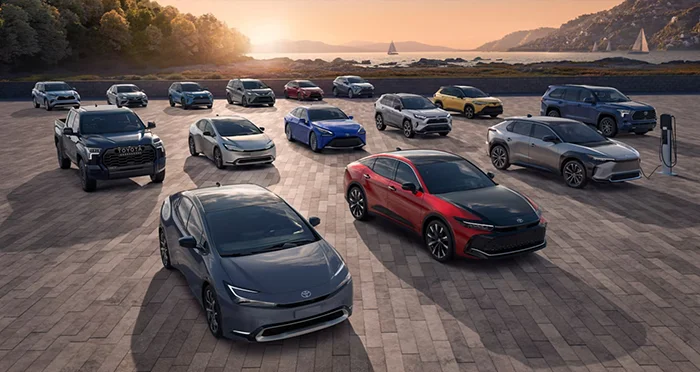
For years, car shoppers thought “power” meant one thing: a big, thirsty V6 engine. But today, Toyota hybrid vehicles are changing everything. These cars deliver instant acceleration, incredible fuel economy, and quiet confidence — all with Toyota’s legendary reliability.
Here at Panama City Toyota, we’re seeing more Florida drivers make the switch because they’ve realized something: hybrids don’t just save gas — they deliver smarter performance for real life.
Why a V6 Engine Doesn’t Always Mean More Power
It’s one of the biggest misconceptions in car buying — that a V6 automatically means stronger performance. But today’s Toyota hybrid powertrains combine gas engines with electric motors that deliver instant torque — the kind of quick response that puts a smile on your face.
Take the Toyota RAV4 Hybrid or Grand Highlander Hybrid MAX. These models launch smoothly, accelerate fast, and cruise effortlessly, all while sipping fuel compared to traditional V6 models.
The truth is simple: Toyota hybrids give you the strength you want — and the efficiency your wallet loves.
Hybrid vs. Plug-In Hybrid: What’s the Difference?
Before you buy, it’s worth knowing how these two types of electrified vehicles work:
Hybrid Electric Vehicle (HEV)
- Uses both gas and electric power.
- No plugin required — the battery charges itself as you drive.
- Great for drivers who want better fuel economy with zero lifestyle change.
Plug-In Hybrid Electric Vehicle (PHEV)
- Uses both gas and electric power.
- You can plug it in at home or at a public charging station.
- Can travel a short distance on electric-only power.
- Perfect for commuters or anyone with access to home charging.
So which is better? If you want all-electric commuting, go plug-in hybrid (think Toyota RAV4 Prime). If you want simplicity and savings without charging, go traditional hybrid (like the Camry Hybrid or Corolla Hybrid).
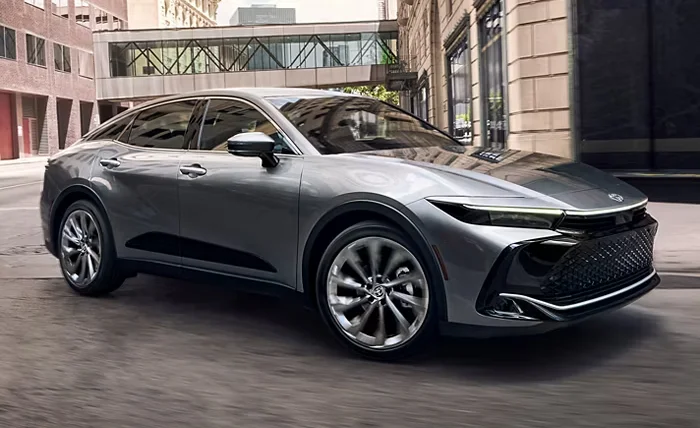
2025–2026 Toyota Hybrid Lineup: What’s New
Toyota isn’t following the hybrid trend — it’s leading it. Nearly every 2025 and 2026 model offers an electrified option, with some now hybrid-only.
Available or Upcoming Toyota Hybrid Models
- Toyota Tundra i-FORCE MAX – Proving trucks can be powerful and efficient.
- Toyota Tacoma i-FORCE MAX- 24 MPG Hwy and 465 Lb.-Ft. of Torque.
- Toyota Landcruiser i-FORCE MAX- 25 MPG Hwy, full-time 4WD and 6,000 lb towing .
- Toyota 4Runner i-FORCE MAX- iconic ruggedness & reliability with cutting-edge technology.
- 2025 Toyota Camry Hybrid – Now Hybrid-Only and completely redesigned.
- Toyota Prius & Prius Prime – Sportier, sleeker, and more efficient than ever.
- Toyota RAV4 Hybrid & RAV4 Prime – America’s top-selling SUV with two hybrid choices.
- Toyota Corolla Hybrid – Compact, efficient, and perfect for city driving.
- Toyota Crown Signia & Grand Highlander Hybrid – Premium SUVs with hybrid luxury.
By 2026, Toyota plans for most of its lineup to be hybrid or plug-in hybrid, giving drivers more choices for performance and efficiency.
Why Drivers in Florida Love Toyota Hybrids
Owning a hybrid in the Panhandle means more than great gas mileage. Here’s why more local drivers are switching every day:
- Save on fuel: Toyota hybrids can deliver up to 40–50+ MPG depending on the model.
- Less maintenance: Fewer moving parts = fewer trips to the service bay.
- Smooth and quiet drive: Instant torque, no engine lag.
- Stronger resale value: Hybrid demand keeps climbing every year.
- Smart sustainability: Reduce your emissions without changing your lifestyle.
And every new Toyota hybrid includes a long-term hybrid battery warranty, giving you peace of mind for years to come.
Experience the Smarter Kind of Power at Panama City Toyota
The future of driving isn’t just electric — it’s efficient. It’s the perfect balance of performance and practicality. And Toyota’s hybrid technology is leading that movement.
So whether you’re eyeing the all-new Camry Hybrid, the adventure-ready RAV4, or the spacious Grand Highlander Hybrid, come see how far hybrid innovation has come.
Visit Panama City Toyota today and take a test drive. You’ll feel the power, the smoothness, and the savings — all at once.
Toyota has long been a powerful force in NASCAR. But in recent weeks, their Camrys, Tundras, and Supras hit a major milestone that’s got fans, teams, and competitors taking notice. It’s not just about winning races; it’s the consistency, craftsmanship, and engineering that make each win meaningful. At Panama City Toyota, your trusted Toyota dealership in Bay County, we believe those recent victories aren’t just for show; they reflect the same commitment to performance and quality that our customers experience every time they drive off our lot.
The Camry Conquest: Toyota Takes First through Fourth Place
On August 31, 2025, the Toyota Racing Camrys driven by Chase Briscoe, Tyler Reddick, Eric Jones and John Hunter Nemechek took the top 4 spots in the Southern 500 NASCAR Series race at Darlington, SC.
In all, there were six Toyotas among the top seven finishers. It was the manufacturer’s third top-four sweep since it came to the Cup Series in 2007.
September’s Big Moment: Toyota’s 200th NASCAR Cup Series Win
On September 7, 2025, Denny Hamlin clinched the 200th NASCAR Cup Series win for Toyota with a victory at World Wide Technology Raceway at Gateway during the Enjoy Illinois 300.
It was more than just another checkered flag—it was a landmark achievement that underscores Toyota’s dominance in stock car racing.
Drivers, Teams, and the Numbers Behind the Wins
To really appreciate what 200 wins means, let’s look at who’s been doing the heavy lifting:
- Denny Hamlin carried Toyota across the milestone. He not only earned Toyota’s 200th Cup win, but this was also his 59th career NASCAR Cup Series victory, and his fifth win of the 2025 season.
- Kyle Busch delivered Toyota’s very first Cup Series victory back in March 2008.
- Other Toyota drivers with multiple wins: Martin Truex Jr. (32 wins), Matt Kenseth (15), Christopher Bell (12).
And in terms of teams:
- Joe Gibbs Racing (JGR) is the powerhouse—166 of Toyota’s 200 Cup Series wins have come via JGR.
- Other Toyota-affiliated teams like 23XI Racing and Legacy Motor Club are adding to the tally, but JGR remains the major engine behind Toyota’s NASCAR success.
Understanding the NASCAR Playoffs
If you’re not a weekly watcher of NASCAR, the term “playoffs” might sound a little strange in racing. But yes—NASCAR has a playoff system, and it’s one of the reasons recent Toyota wins are such a big deal.
Here’s how it works:
- Regular Season: Drivers compete all year to earn points and, more importantly, race wins. Those wins usually guarantee a spot in the playoffs.
- Playoff Field: At the end of the regular season, the top 16 drivers advance into the playoffs.
- Elimination Rounds: The playoffs span 10 races, broken into three elimination rounds (Round of 16, Round of 12, Round of 8). After every three races, the lowest-performing drivers are eliminated.
- Championship 4: The final race is a winner-takes-all showdown between the four remaining drivers. Whoever finishes highest in that race becomes the NASCAR Cup Series Champion.
This format means every lap matters in the playoffs. Wins become critical because they automatically advance a driver to the next round. For Toyota, having drivers like Denny Hamlin and Christopher Bell winning at the right time doesn’t just boost the trophy count—it’s what keeps them in championship contention.
Toyota’s Playoff Performance in 2025
At Gateway—the same race where Toyota earned its 200th win—the performance was stellar. Toyota Camrys dominated with top drivers, strong qualifying runs, and race-leading laps.
- Toyota drivers have led an astonishing number of laps during the playoffs—hundreds out of just a few hundred total laps. That’s not just speed; that’s control.
- Wins at this stage don’t just rack up trophies; they secure playoff advancement. Hamlin’s Gateway victory locked him safely into the Round of 12.
- With multiple drivers in contention, Toyota has more than one shot at putting a car into the Championship 4 and potentially ending its championship drought.
The Engineering Behind It: What Makes Toyota & TRD So Strong in NASCAR
It’s not magic. It’s hard work, precision, and constant testing. Here are a few key components helping Toyota maintain its edge:
- Toyota Racing Development (TRD), U.S.A. plays a central role in performance tuning, durability, and innovation. Their partnership with teams like JGR ensures that ideas get tested, refined, and implemented in real race conditions.
- Driver Development & Team Strategy: Having veteran drivers who know how to manage a race—when to push, when to conserve, how to adapt—is huge. Pit timing, fuel management, tire choices; it’s all critical. Toyota teams are consistently making fewer mistakes and optimizing execution.
- Reliability Under Pressure: NASCAR isn’t forgiving. If your car breaks down, or the setup fails, you’re done. Toyota’s recent track record for durability, particularly under playoff stress, is a sign of how well their engineering holds up.
- Consistency Across the Lineup: It’s not just one superstar driver carrying the brand. Multiple Toyota drivers are consistently winning, earning poles, and leading laps. That breadth ensures the manufacturer stays competitive at every track type—short ovals, superspeedways, and road courses.
For Panama City Toyota Drivers—Why These Wins Matter to You
You might be wondering: “Cool, Toyota wins in NASCAR. What does that mean for my Toyota here in Panama City?”
The truth is: there’s more crossover than many people realize.
- Technology Transfer: Many of the materials, processes, and engineering practices used in NASCAR filter down into production vehicles. Improvements in engine performance, safety, and durability often start at the track.
- Brand Integrity: Racing proves reliability. For customers of Panama City Toyota, every win is another piece of evidence that Toyota builds cars that last.
- Community & Culture: NASCAR wins generate excitement among fans—maybe you have a Toyota Camry or Tundra and feel proud when you see it win. Toyota’s success fuels community pride, dealership events, and fan engagement.
- Resale Value: A strong performance reputation translates into stronger brand perception—and often, better long-term resale value.
If you’re shopping for a new Toyota Camry for sale in Bay County, a rugged Toyota Tundra near Panama City Beach, or a reliable Toyota Corolla in Panama City, you’re driving a vehicle with the same DNA that wins on the track.
Final Thoughts
Toyota’s NASCAR Surge isn’t just a stat—it’s performance that proves Toyota’s relentless pursuit of excellence. From Kyle Busch’s first win in 2008 to Denny Hamlin’s playoff-clinching Gateway victory in 2025, Toyota has consistently delivered.
For fans, it’s thrilling. For drivers, it’s career-defining. And for customers at Panama City Toyota, it’s proof that when you choose Toyota, you’re choosing a brand that doesn’t just participate—it wins.
If you’re ready to drive with that same DNA of performance, reliability, and winning spirit, visit Panama City Toyota today—your trusted Toyota dealership serving Panama City, Panama City Beach, Lynn Haven, and the entire Bay County area.
How Often Should You Wash A Car?
Whether you drive a brand-new car or you own a vintage model, you want to keep your vehicle in the best possible condition. After all, your vehicle is an investment that helps you get to work on time, run important errands, take your family on road trips, and much more.
Washing your car regularly is essential for keeping it in great shape. But are you washing it too much or not enough? Find out how often you should wash your car and learn how to make every wash count.
How Often To Wash Your Vehicle
Image via Pexels by Kaboompics .com
As a general rule, many car experts recommend washing your vehicle every other week. Yet because all cars are different, there’s no single schedule that every driver should follow. Instead, use the factors below to set the right timetable for washing your vehicle.
Where You Live
First, consider the conditions and potential hazards in your local area. If you live near the ocean, for example, saltwater buildup can damage your vehicle’s paint and rust your car’s undercarriage. If you live in an area where snow and ice require the roads to be salted, your vehicle could experience similar damage. In both cases, you should wash your vehicle more frequently to prevent salt-related damage.
Of course, salt is far from the only common substance that can damage your vehicle. Pine sap, bird droppings, and dead bugs can all splatter on your vehicle and corrode the paint over time. If you live in an area where you regularly run into these hazards, wash your car more often to avoid long-term damage.
Seasonal Changes
Every part of the country experiences seasonal changes, even here in Florida. Depending on where you live, you may need to wash your vehicle more frequently in some seasons than in others. For example:
- You live an hour from the coast, but you tend to visit the beach and drive near saltwater spray every weekend during the summer months.
- Your area tends to get icy when the temperature drops, and your local road department salts the roads thoroughly during the winter months.
- You live in a hot, dry area, and damaging dust storms often pass through during the summer months.
How Often You Drive Your Vehicle
Your driving frequency also affects how often you should wash your car. After all, some drivers use their cars a couple days a month, while others rarely go a day without driving. You should wash your car more often than normal if you use your vehicle to commute to work every day or if you generally have to drive to various job sites or client locations throughout a typical workday.
In contrast, you can wash your car less frequently if you just use it to take the kids to school and to run occasional errands. If you only drive your car once a week or a handful of days every month, then the decreased exposure to hazards means you can dial back your car-washing schedule without worrying about damage.
Where You Park Your Car
No matter how often you drive, you undoubtedly leave your car in a similar spot while you’re at work, overnight, or other times when you aren’t using it. When it comes to keeping your car in optimal condition, where you park matters.
- If you park your car in a covered area, such as a garage, you effectively avoid many common hazards. Since parking indoors can protect your car from salt, sap, and other potentially harmful substances, you can get away with washing your vehicle less frequently.
- If you normally park your car on the street or in an open parking lot, then it may be more susceptible to common hazards. You should wash your vehicle more frequently to make sure bird droppings, sap, and other substances don’t build up on the exterior.
What Type of Car You Drive
When planning your car-washing schedule, you’ll also want to consider how you want your vehicle to look. If you drive a heavy-duty truck for work, then you may not expect it to look like it’s in pristine condition at all times. If you have a brand-new sports car, however, then you may want to consider more frequent washes to keep it looking shiny and new.
5 Ways To Make Every Car Wash Count
At Panama City Toyota, we know how important it is to wash your car correctly. Follow these five tips to keep your car looking great with every wash.
1. Find a Shady Spot
Salt and other harmful substances can damage your vehicle even more when exposed to direct sunlight. When you wash your car, make a point of finding a shaded or covered area so you can avoid harsh sunlight.
2. Rinse Frequently
Before you start scrubbing, give your vehicle a thorough rinse to remove any loose dirt or gravel. As you wash particularly dirty or stubborn areas, rinse frequently to avoid allowing debris to scratch your vehicle.
3. Wash With a Mild Soap
It can be tempting to wash your car with dish soap or other liquid detergents you have around the house. However, you should always use a mild soap that’s designed specifically for your vehicle. When you use car-safe soap, you don’t have to worry about damaging the exterior.
4. Use a Gentle Cloth
Always wash away dirt and grime with a microfiber cloth or a soft sponge. Never scrub your vehicle with an abrasive surface, as you could scratch the paint.
5. Finish With a Wax Coat
After washing your vehicle, dry it thoroughly with a microfiber cloth. Then finish the job by applying a wax coat. Wax can help prevent harmful substances from building up on your vehicle, which can make it easier to clean and prevent long-term damage.
From understanding dashboard indicator lights to increasing your vehicle’s trade-in value, we have everything you need for keeping your car in excellent shape. Browse our resources for car maintenance or contact our Panama City dealership for service.
Finer Panama City Movie Theaters
There’s nothing like the thrill of counting down to the release of the next movie blockbuster and heading out on opening night to watch it on the big screen. You sit down with your giant tub of popcorn and your large beverage, lean back in your chair, and watch the flick with your friends or family. If you’re in the Panama City, Florida, area, and want to catch a movie, make sure to check out one of these theaters.
The Grand 16 – Pier Park Theatre

Image via Flickr by ToastyKen
Located on Pier Park Drive, The Grand 16 – Pier Park Theatre offers reserved seating so you can select your seat before you enter. Purchase your tickets online and get them instantly on your phone, print them at home and redeem at the theater, or pick them up at the self-service kiosk once you arrive. Keep in mind that all sales are final since you choose a specific seat when you buy your ticket.
The stadium seating ensures you get the best view in the house wherever you sit. If you feel like dressing up like your favorite movie character, you can do so at this theater as long as you don’t have a mask, helmet, face paint, or simulated or real weapons.
Children under the age of 2 are free, while children’s tickets are available for those ages 3 through 12. Seniors aged 60 and older receive discounted tickets. Also, children 17 and younger are not allowed into the theater after 6 p.m. unless accompanied by an adult.
Join the theater’s Reel Rewards program for just $10, and you’ll receive a free small popcorn and a small fountain drink on your first visit. For every $100 you spend, you receive $10 toward tickets or concessions. Also, you gain free concession upgrades and a birthday bonus.
For a limited time, you can rent out a private auditorium for up to 20 friends and family members to watch a movie. The fee is $100, and you can watch one of the pre-selected films including “Pitch Perfect,” “Bridesmaids,” “Jurassic Park,” “Billy Madison,” and “Minions.” The theater opens the concession stand and bar for your private screening as well, so you can still get your favorite movie theater treats.
During the summer, check out the list of summer kids’ flicks. With a $4 ticket, you receive a free kid’s popcorn and soda.
Martin Theatre
If you’re looking to catch a classic movie in a historic venue, the Martin Theatre is a perfect choice. Opened during Hollywood’s Golden Age, this Panama City cinema once hosted movie stars like Clark Gable, Bill Elliott, and Constance Bennett. This venue was originally called the Ritz Theatre. The Martin family purchased and renamed the establishment in the early 1950s.
The landmark theater underwent a massive renovation in the late 1980s, turning it into a state-of-the-art 450-seat facility, complete with a 1,500-square-foot reception area called the Green Room. The viewing experience matches many modern movie theaters since the seats are on a steep incline.
Since 1990 when it reopened its doors after a temporary vacancy, the theater has presented more than 300 shows, produced more than 120 musicals and plays, and screened more than 150 different movies. During the summer, the theater hosts Monster Movie Mondays where it shows such films as “Teenage Zombies” and “The House of Frankenstein.” It also usually produces two live performances per year on select weekends. Go on opening night to meet and greet the cast, or you can get tickets for the special Sunday brunch performance.
PC Cinemas
Located on Martin Luther King, Jr. Drive in the Panama City Mall, PC Cinemas opened its doors to the public in 1976 under the AMC Theater name. Since then, it has endured several acquisitions and name changes, eventually landing on its current name. There are four screens available, all of which offer plenty of space between the rows of seats.
The best part about PC Cinemas is its discounted ticket prices. Movies shown before noon are $4.99, matinee shows between noon and 6 p.m. are $5.99, and evening shows after 6 p.m. are $5.99 for children, seniors, and members of the military, while adult tickets are $7.99. What’s more, every admission gets a free small popcorn, and seniors can get discounts on concessions. When purchasing tickets online, you can have them conveniently sent to your mobile device.
Regal Regency – Panama City
The Regal Regency – Panama City, found on West 23rd Street, was rebuilt from the ground up after Hurricane Michael. The new theater features 11 auditoriums, and some screens are 4DX, ScreenX, or RPX. You can also enjoy a coffee bar and a full-service bar.
Children under the age of 3 are free except for those sitting in recliners and reserved seating locations, while children’s tickets are available for kids from 3 to 11 years old. Those aged 60 and older can get discounted tickets. If you’re a student and bring your school ID to the box office, you qualify for student pricing. You also get discounted tickets if you’re active or retired military personnel and have your ID.
At this theater, you can join the free rewards club known as the Regal Crown Club. You earn 100 credits for every dollar spent on tickets and concessions. It also offers a bonus Crown Jewel program that gives you extra credits for each visit. The more you visit, the more you earn. You can spend your credits on tickets or concessions whenever you want.
Regal also offers the Regal Unlimited movie subscription pass. For a monthly fee, you can see as many movies as you want, get discounts on concessions, and get access to advance tickets. With the highest subscription, you can use your Unlimited Pass at any Regal theater in the U.S.
At Panama City Toyota, we love going out to see a movie or show. We’ve just listed some of the best theaters in the city for you to check out. Did we miss a favorite spot of yours or one that not many others know about? If we did, drop us a line so we can add it to our list.
Panama City Restaurants At The Beach And Beyond
Summer is here and it’s time to pack the car and take the family to the beach to enjoy fresh seafood and steaks from some of Panama City Beach’s best restaurants. Whether you’re looking for golden fried fish and chips, lobster drenched in butter, or the perfect grilled steak, you’ll find just what you’re looking for at any of these five Panama City Beach, Florida, restaurants.
Firefly
Photo via Unsplash by Joseph Greve
When you’re looking for the ideal seafood restaurant to take someone special to for a romantic date, head over to Firefly on 535 Richard Jackson Blvd. The restaurant has a casually elegant atmosphere and is one of Panama City Beach’s finest restaurants. Their five-star gourmet dishes feature the freshest of gulf seafood, aged steaks cooked on a 1,800-degree broiler, and locally grown produce. Firefly has an extensive wine menu offering wines from around the world and has won Wine Spectator’s Award of Excellence since 2008.
Plan for a leisurely meal in the main dining room seated under a stately oak tree decorated with colorful twinkling lights. The Mediterranean-style bistro offers sophisticated dishes, and you can enjoy an appetizer such as jumbo lump crab cakes or grilled octopus and olive oil poached shrimp. Move on to a refreshing salad or a cup of their soup du-jour before indulging in an elegant entree. Enjoy the chargrilled gulf grouper, sesame seared yellowfin tuna, broiled lobster tails, or mouthwatering steaks. Save room for a decadent dessert such as New York-style cheesecake or a piece of flourless chocolate torte.
If you enjoy sushi, take a seat at Firefly’s new sushi bar and sample some of their freshest, top-grade fish. Finish your evening with a cocktail at the Firefly Bar or relax with a drink sitting in an overstuffed armchair at Firefly’s 535 Library Lounge.
Pompano Joe’s
For a fun family dining experience, head over to Pompano Joe’s at 16202 Front Beach Road. The restaurant offers a special kid’s menu as well as family bundle to-go orders. Enjoy the festive environment for lunch or dinner by starting your meal with boiled gulf shrimp, fried calamari, or sauteed blue crab claws. You can make a meal out of one of their huge seafood salads along with a bowl of Pompano Joe’s award-winning seafood gumbo.
Lunch is a great time to savor a fish sandwich, whether it’s grouper, flounder, mahi-mahi, or one of their famous po’ boys. You can also have a burger or a jerk barbecue chicken sandwich. When you’re ready for dinner, try one of Pompano Joe’s signature dishes such as grouper marsala or coconut shrimp. If you can’t decide which seafood dinner to choose, pick the seafood sampler filled with mahi-mahi, gulf shrimp, and scallops. At the end of your meal, savor a piece of key lime pie, strawberry shortcake, or sea salt caramel cheesecake.
Another Broken Egg Cafe
There’s something so relaxing about having a casual breakfast out and that’s the experience you’ll get at Another Broken Egg Cafe located at 11535 Hutchison Blvd. Start your leisurely breakfast with a cup of coffee, or if you’re there for brunch, enjoy a bloody mary or mimosa. If you enjoy something sweet for breakfast, you’ll love the assortment of pancakes and waffles with fresh fruit and whipped cream.
From the traditional breakfast or brunch menu, you’ll find delicacies like the lobster and brie cheese omelet, crab cake Benedict, or bowl of shrimp and grits. The healthy menu options offer dishes like the granola, fruit, and quinoa power bowl or salmon avocado toast. They also have a gluten-free menu for those with dietary restrictions.
The cafe features a variety of sandwiches and salads, and their side selections include goodies like grilled Andouille sausage, biscuit beignets, or fresh country potatoes. You can have everything from 100% fresh-squeezed orange juice, French roast cold brew coffee, or chocolate milk with fresh whipped cream when you order from Another Broken Egg’s beverage menu.
While you’re waiting for your food, take advantage of the free Wi-Fi and use your mobile device to browse the internet to find your next car, SUV, or hybrid vehicle at Panama City Toyota.
J. Michael’s Restaurant
When you’re craving Apalachicola oysters, stop by J. Michael’s Restaurant to get your fill of these tasty local delicacies. These special oysters aren’t always available, so be sure to check with the restaurant to make sure they have them. There’s plenty of other great appetizers on J. Michael’s menu including different varieties of oysters prepared in lots of different ways as well as boiled gulf shrimp. After your appetizer, enjoy a crisp house or Greek salad, and then dive into one of J. Michael’s signature sandwiches like the Infamous Roast Beef Supreme, fisherman’s sandwich, or their 1920s-style reuben.
When you’re ready for a hearty meal, the shrimp or chicken pasta dishes will fill you up, the steaks will satisfy your beef cravings, and for a cajun twist, enjoy the seafood gumbo or red beans and rice. Don’t forget to have a slice of key lime pie for dessert. You’ll find J. Michael’s Restaurant at 3210 Thomas Drive.
Saltwater Grill
For a fascinating visual treat while dining, you’ll thrill at seeing hundreds of tropical fish and sea creatures swimming in the 25,000-gallon tropical saltwater aquarium. Start your dinner with appetizers including favorites like crab cakes, shrimp cocktail, or specialty salads, or sample one of Saltwater Grill’s signature creations like the lobster spring roll. For your entree, choose from specials such as macadamia nut crusted mahi-mahi, seafood linguine, or pork tenderloin.
For something special, savor melt-in-your-mouth grilled grouper or relish chargrilled steaks and broiled lobster. Saltwater Grill offers an extensive wine list including their reserve list with upscale champagnes from France and specialty reds and whites from California’s wine country.
Our team at Panama City Toyota can’t get enough delicious food from these five restaurants. Enjoy using this handy guide to help you discover the wonder of these special places to eat, and be sure to leave us a comment to let us know what your favorite restaurant in Panama City Beach is.
Connect with us


